

Sustainable Solutions for India's Energy Challenges
- simotechindia
- Dec 1, 2025
- 4 min read

India's rapid economic growth and expanding population have led to an ever-increasing demand for energy. Meeting this demand sustainably is crucial to ensure environmental protection, energy security, and economic stability. The country faces significant energy challenges, including dependence on fossil fuels, energy access disparities, and environmental pollution. However, embracing eco-friendly energy options offers a promising path forward. This article explores practical and innovative solutions that can help India overcome its energy challenges while promoting sustainability.
The Importance of Eco-Friendly Energy Options in India
India's energy sector is at a crossroads. Traditional energy sources like coal and oil have powered the country for decades but come with severe environmental and health costs. Air pollution, greenhouse gas emissions, and resource depletion are pressing concerns. Transitioning to eco-friendly energy options is essential for several reasons:
Reducing Carbon Footprint: Clean energy sources emit little to no greenhouse gases, helping combat climate change.
Enhancing Energy Security: Diversifying energy sources reduces dependence on imported fuels.
Improving Public Health: Lower pollution levels lead to better health outcomes.
Creating Jobs: Renewable energy industries generate employment opportunities in manufacturing, installation, and maintenance.
India has abundant renewable resources such as solar, wind, hydro, and biomass, making eco-friendly energy options viable and scalable. The government has set ambitious targets to increase renewable energy capacity, signaling a strong commitment to sustainable development.
Key Eco-Friendly Energy Options Transforming India’s Energy Landscape
Several eco-friendly energy options are gaining traction in India, each with unique advantages and challenges. Understanding these options helps identify the best strategies for widespread adoption.
Solar Energy
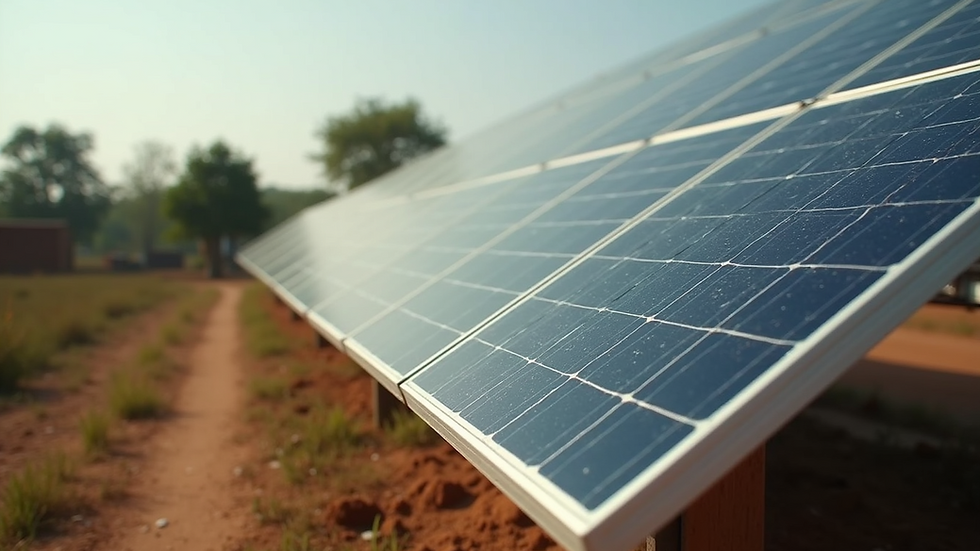
Solar power is one of the fastest-growing renewable energy sources in India. The country receives ample sunlight throughout the year, making solar energy a natural fit. Solar photovoltaic (PV) panels convert sunlight directly into electricity and can be installed on rooftops, open fields, and even floating platforms.
Advantages: Low operating costs, scalable installations, and suitability for remote areas.
Challenges: Initial investment costs and intermittency due to weather conditions.
Government initiatives like the National Solar Mission have accelerated solar adoption by providing subsidies and incentives. Community solar projects and solar microgrids are also helping electrify rural areas.
Wind Energy
India has significant wind energy potential, especially in coastal and hilly regions. Wind turbines harness kinetic energy from wind to generate electricity. Large wind farms and small-scale turbines both contribute to the energy mix.
Advantages: High energy output in windy regions and complementarity with solar power.
Challenges: Site-specific feasibility and environmental concerns related to wildlife.
States like Tamil Nadu, Gujarat, and Maharashtra lead in wind energy capacity, supported by favorable policies and private sector investments.
Biomass and Biogas
Biomass energy utilizes organic materials such as agricultural residues, animal waste, and forestry by-products. Biogas plants convert organic waste into methane-rich gas, which can be used for cooking and electricity generation.
Advantages: Waste management solution and energy generation in rural areas.
Challenges: Collection and transportation logistics and technology adoption barriers.
Biomass energy supports rural livelihoods and reduces dependence on firewood, contributing to forest conservation.
Small Hydro Power
Small hydroelectric projects harness the energy of flowing water in rivers and streams. These projects are less disruptive than large dams and can provide reliable power to local communities.
Advantages: Consistent power generation and minimal environmental impact.
Challenges: Limited suitable sites and seasonal water flow variations.
Small hydro projects are particularly beneficial in hilly and mountainous regions of India.
Innovative Approaches to Overcome Energy Challenges
To maximize the benefits of eco-friendly energy options, India must adopt innovative approaches that address existing barriers and optimize resource use.
Smart Grids and Energy Storage
Integrating renewable energy into the grid requires advanced technologies like smart grids and energy storage systems. Smart grids enable real-time monitoring and efficient distribution of electricity, while batteries and other storage solutions help manage supply fluctuations.
Actionable Recommendation: Invest in grid modernization and incentivize energy storage deployment to enhance reliability.
Decentralized Energy Systems
Decentralized or off-grid energy systems empower communities by providing localized power solutions. Solar home systems, microgrids, and biogas plants reduce dependence on centralized power plants and improve energy access in remote areas.
Actionable Recommendation: Promote community-based renewable projects with financial and technical support.
Energy Efficiency Measures
Reducing energy consumption through efficiency improvements complements renewable energy adoption. Energy-efficient appliances, building designs, and industrial processes lower overall demand and costs.
Actionable Recommendation: Implement strict energy efficiency standards and awareness campaigns.

Policy and Financial Support for Sustainable Energy Growth
Government policies and financial mechanisms play a critical role in accelerating the transition to eco-friendly energy options.
Subsidies and Incentives: Financial support for renewable energy projects reduces upfront costs and encourages investment.
Regulatory Frameworks: Clear policies and streamlined approval processes facilitate project development.
Public-Private Partnerships: Collaboration between government and private sector drives innovation and resource mobilization.
International Cooperation: Access to global funding and technology transfer enhances capabilities.
India’s renewable energy targets, such as achieving 500 GW of renewable capacity by 2030, demonstrate strong policy commitment. Continued support and adaptive policies will be essential to meet these goals.
Embracing Sustainable Energy Solutions for a Brighter Future
India’s energy challenges are complex but not insurmountable. By leveraging its vast renewable resources and adopting innovative technologies, the country can build a resilient and sustainable energy system. The integration of **sustainable energy solutions** into national and local strategies will ensure environmental protection, economic growth, and social well-being.
Transitioning to eco-friendly energy options requires collective effort from policymakers, businesses, communities, and individuals. Investing in education, infrastructure, and research will pave the way for a cleaner, healthier, and more prosperous India.
The journey towards sustainable energy is not just about technology but also about creating a culture of responsibility and innovation. With the right approach, India can become a global leader in renewable energy and set an example for other developing nations.
By embracing these sustainable practices and technologies, India can effectively address its energy challenges and secure a sustainable future for generations to come.


Comments