

The Rise of Alternative Energy Systems in India
- simotechindia
- Dec 11, 2025
- 3 min read

Updated: Feb 12
Alternative energy systems refer to energy sources that differ from conventional fossil fuels. These include solar, wind, hydro, biomass, and geothermal power. India has immense potential in these areas due to its diverse geography and climate.
Solar Power
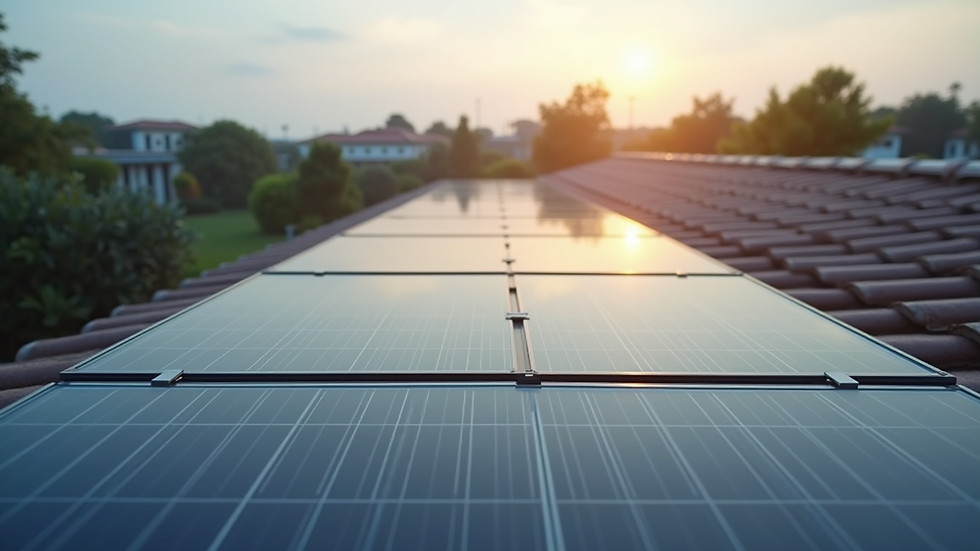
India receives abundant sunlight throughout the year, making solar energy one of the most promising alternatives. The government has launched ambitious programs like the National Solar Mission to increase solar capacity. Solar panels can be installed on rooftops, in solar farms, and even integrated into building materials.
Wind Energy
Coastal regions and some inland areas in India have strong and consistent winds. Wind turbines harness this energy to generate electricity. States like Tamil Nadu, Gujarat, and Maharashtra are leading in wind power production.
Hydropower and Biomass
Hydropower utilizes flowing water to generate electricity, especially in the Himalayan region. Biomass energy, derived from organic materials like agricultural waste, is another sustainable option, particularly in rural areas.

Benefits of Adopting Alternative Energy Systems
Switching to alternative energy systems offers multiple advantages for India:
Environmental Protection: Reduces greenhouse gas emissions and air pollution.
Energy Security: Decreases dependence on imported fossil fuels.
Economic Growth: Creates jobs in manufacturing, installation, and maintenance.
Rural Development: Provides electricity access to remote areas.
Cost Savings: Renewable energy costs are decreasing, making them competitive with traditional sources.
For example, solar microgrids have transformed villages by providing reliable electricity for lighting, education, and small businesses. Wind farms have boosted local economies by creating employment opportunities.
Challenges and Solutions in Implementing Alternative Energy Systems
Despite the clear benefits, India faces several challenges in scaling up alternative energy systems:
Infrastructure and Grid Integration
The existing power grid needs upgrades to handle variable renewable energy inputs. Smart grids and energy storage solutions like batteries can help balance supply and demand.
Financing and Investment
High initial costs can deter investment. Government subsidies, low-interest loans, and public-private partnerships are essential to overcome this barrier.
Land Acquisition and Environmental Concerns
Large-scale projects require land, which can lead to displacement or ecological disruption. Careful planning and community engagement are crucial.
Skill Development
There is a need for trained professionals to design, install, and maintain renewable energy systems. Vocational training programs can address this gap.

How Businesses and Individuals Can Contribute
Everyone has a role in accelerating the adoption of alternative energy systems:
Businesses can invest in renewable energy installations for their operations, reducing carbon footprints and energy costs.
Homeowners can install solar panels or solar water heaters to cut electricity bills.
Communities can promote awareness and support local renewable projects.
Policy Makers should continue to create favorable regulations and incentives.
For those interested in exploring options, companies specializing in renewable energy systems offer tailored solutions for residential, commercial, and industrial needs.
The Future of Energy in India
India’s energy future is bright with the integration of alternative energy systems. Continued innovation, supportive policies, and public participation will drive this transformation. As renewable technologies become more affordable and efficient, they will play a central role in powering India’s growth sustainably.
By embracing these changes, India can reduce its environmental impact, enhance energy security, and improve the quality of life for millions. The journey towards a cleaner, greener energy landscape is underway, and the possibilities are endless.
Conclusion: A Sustainable Path Forward
In conclusion, the transition to alternative energy systems in India is not just a necessity; it is an opportunity. By investing in renewable energy, India can create a sustainable future that benefits everyone. The collaboration between businesses, individuals, and policymakers is crucial in achieving this goal. Together, we can pave the way for a cleaner, greener India, ensuring that future generations inherit a thriving planet.
As we move forward, let us remember that the choices we make today will shape the energy landscape of tomorrow. Embracing renewable energy is not just about meeting current demands; it is about safeguarding our environment and ensuring a sustainable future for all.


Comments