

Achieving Energy Sustainability with Tailored Indian Solutions
- simotechindia
- Nov 17, 2025
- 4 min read

India is at a pivotal moment in its energy journey. With rapid urbanization, growing industrial demands, and environmental concerns, the need for green energy solutions tailored to the Indian context has never been greater. The country’s unique climate, geography, and socio-economic factors require innovative approaches that not only reduce carbon footprints but also promote economic growth and energy equity.
India’s energy landscape is evolving, and this transformation is driven by a mix of government policies, technological advancements, and community participation. This blog explores how India can achieve energy sustainability by adopting customized green energy solutions that address local challenges and leverage indigenous resources.
Understanding the Importance of Green Energy Solutions in India
India’s energy consumption is expected to double in the next two decades. Traditional fossil fuels like coal and oil have powered the country’s growth but at a significant environmental cost. Air pollution, greenhouse gas emissions, and resource depletion are pressing issues that demand urgent action.
Green energy solutions offer a pathway to sustainable development by harnessing renewable resources such as solar, wind, biomass, and small hydro. These solutions reduce dependence on imported fuels, create jobs, and improve public health.
Key Benefits of Green Energy Solutions in India:
Environmental Protection: Lower emissions and reduced pollution.
Energy Security: Diversification of energy sources.
Economic Growth: New industries and employment opportunities.
Rural Development: Access to electricity in remote areas.
India’s vast solar potential, especially in states like Rajasthan, Gujarat, and Tamil Nadu, combined with its wind corridors in Tamil Nadu and Maharashtra, makes it an ideal candidate for renewable energy expansion.

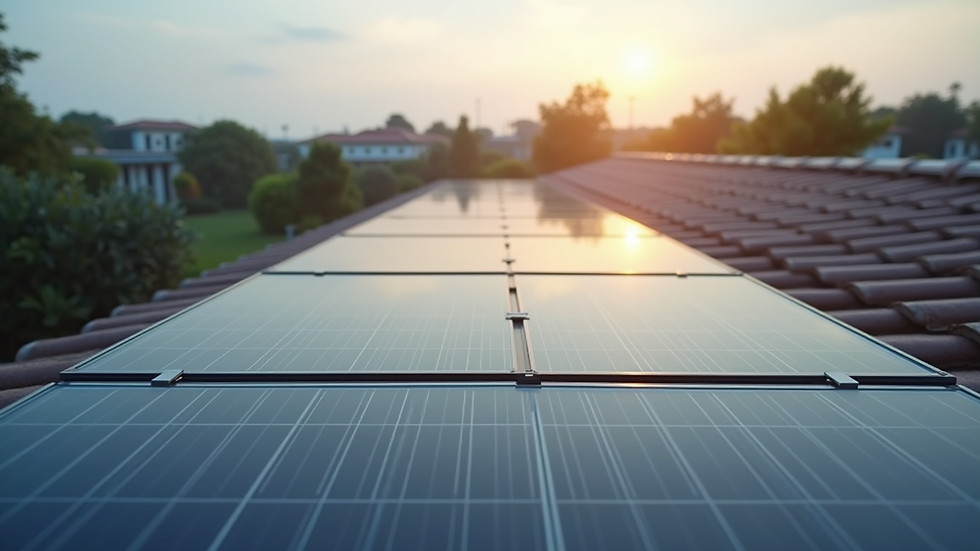
Solar panels installed in rural India harnessing abundant sunlight
Tailoring Green Energy Solutions to Indian Needs
One size does not fit all when it comes to energy solutions. India’s diverse climate zones, population density, and economic disparities require customized approaches. Here are some tailored strategies that can accelerate India’s green energy transition:
1. Solar Microgrids for Rural Electrification
Many remote villages still lack reliable electricity. Solar microgrids can provide decentralized power, reducing transmission losses and improving energy access. These systems can be community-owned, ensuring local involvement and maintenance.
2. Wind-Solar Hybrid Systems
Combining wind and solar power can provide more consistent energy output. Hybrid systems are especially useful in coastal and semi-arid regions where wind speeds and solar radiation vary seasonally.
3. Biomass Energy from Agricultural Waste
India produces large quantities of agricultural residues. Instead of burning them and causing pollution, these wastes can be converted into biogas or biofuels, providing clean energy and reducing health hazards.
4. Energy-Efficient Appliances and Smart Grids
Promoting energy-efficient appliances and integrating smart grid technologies can optimize energy use and reduce wastage. Smart meters and demand response systems help balance supply and demand effectively.
5. Government Incentives and Public-Private Partnerships
Policy support through subsidies, tax benefits, and public-private partnerships can accelerate the adoption of green technologies. Local manufacturing of solar panels and wind turbines can also reduce costs and create jobs.

Wind turbines harnessing coastal winds for sustainable power generation
Leveraging Technology and Innovation for Energy Sustainability
Technological innovation is a cornerstone of India’s green energy future. From advanced photovoltaic cells to energy storage solutions, technology can overcome many challenges faced by renewable energy deployment.
Energy Storage and Grid Stability
One of the biggest challenges with renewable energy is its intermittency. Battery storage systems and pumped hydro storage can store excess energy generated during peak times and release it when demand is high. This ensures grid stability and reliability.
Smart Metering and IoT Integration
Smart meters provide real-time data on energy consumption, enabling consumers to manage their usage better. Internet of Things (IoT) devices can automate energy management in homes and industries, reducing wastage.
Electric Mobility and Charging Infrastructure
Promoting electric vehicles (EVs) and building a robust charging infrastructure can reduce dependence on fossil fuels in the transport sector. India’s push for EV adoption aligns with its green energy goals.
Research and Development
Investing in R&D for new materials, efficient solar cells, and wind turbine designs can improve performance and reduce costs. Collaboration between academia, industry, and government is essential.
Community Engagement and Awareness: The Human Factor
Technology and policy alone cannot drive the green energy revolution. Community participation and awareness are critical for success. Educating people about the benefits of renewable energy and involving them in decision-making fosters ownership and sustainability.
Local Training and Capacity Building
Training local technicians to install and maintain renewable energy systems ensures long-term functionality. Capacity building programs empower communities to manage their energy resources effectively.
Behavioral Change Campaigns
Simple actions like switching to energy-efficient lighting, reducing peak-hour consumption, and supporting renewable projects can collectively make a big difference.
Inclusive Energy Planning
Ensuring that marginalized and low-income groups have access to clean energy is vital for equitable development. Tailored financing options and subsidies can help bridge the affordability gap.
The Road Ahead: Scaling Up Sustainable Energy Solutions in India
India’s journey towards energy sustainability is promising but requires concerted efforts across multiple fronts. Scaling up green energy solutions involves:
Strengthening Infrastructure: Expanding transmission networks and storage capacity.
Policy Continuity: Stable and transparent policies to attract investments.
Financial Innovation: Green bonds, climate funds, and microfinance for renewable projects.
International Collaboration: Learning from global best practices and accessing technology transfer.
By focusing on tailored solutions that address local needs and leveraging India’s abundant renewable resources, the country can achieve a sustainable energy future that supports economic growth and environmental stewardship.
For those interested in exploring more about sustainable energy solutions, there are many innovative products and services designed specifically for the Indian market that can help accelerate this transition.
India’s green energy revolution is not just about technology; it is about creating a resilient, inclusive, and sustainable energy ecosystem. With the right mix of innovation, policy, and community engagement, India can lead the way in achieving energy sustainability for generations to come.


Comments