

Transforming India's Energy Landscape with Renewable Systems
- simotechindia
- Nov 24, 2025
- 3 min read

India is undergoing a remarkable transformation in its energy sector. The shift from traditional fossil fuels to cleaner, sustainable options is gaining momentum. This change is driven by the urgent need to reduce pollution, combat climate change, and ensure energy security for a growing population. Renewable power solutions are at the heart of this revolution, offering promising alternatives that are both eco-friendly and economically viable.
The Rise of Renewable Power Solutions in India
India's energy demand is soaring due to rapid urbanization, industrial growth, and rising living standards. To meet this demand sustainably, the country is investing heavily in renewable power solutions such as solar, wind, hydro, and biomass energy. These sources are abundant, clean, and increasingly cost-effective.
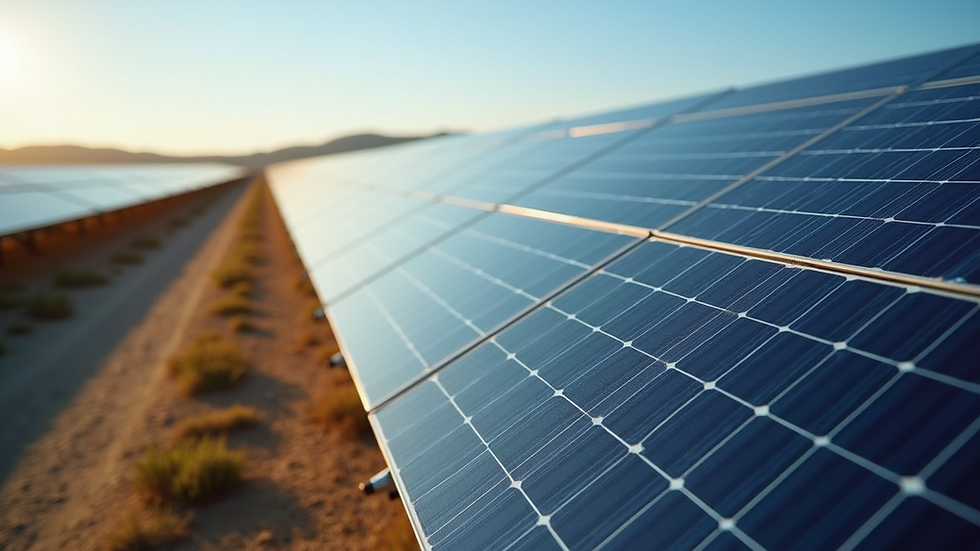
For example, solar power has seen exponential growth thanks to falling panel prices and government incentives. The National Solar Mission aims to install 100 GW of solar capacity by 2022, a target that has already spurred massive projects across the country. Wind energy is also expanding, especially in states like Tamil Nadu and Gujarat, where wind corridors provide ideal conditions.
The government’s policies, including subsidies, tax benefits, and renewable purchase obligations, encourage businesses and households to adopt these technologies. This has led to a surge in private sector participation and innovation in the renewable energy market.
Key Benefits of Renewable Power Solutions
Renewable power solutions offer multiple advantages that make them essential for India's future energy mix:
Environmental Impact: They produce little to no greenhouse gas emissions, helping reduce air pollution and mitigate climate change.
Energy Security: By diversifying energy sources, India can reduce dependence on imported fossil fuels and enhance energy independence.
Economic Growth: The renewable energy sector creates jobs in manufacturing, installation, and maintenance, boosting local economies.
Cost Savings: Over time, renewable energy systems lower electricity costs due to minimal fuel expenses and decreasing technology prices.
Rural Electrification: Off-grid renewable solutions provide electricity to remote areas, improving quality of life and enabling new economic activities.
These benefits align with India’s commitment to the Paris Agreement and its goal to achieve 450 GW of renewable energy capacity by 2030.
Innovations Driving the Renewable Energy Sector
Technological advancements are accelerating the adoption of renewable power solutions. Innovations in energy storage, smart grids, and hybrid systems are addressing challenges like intermittency and grid integration.
For instance, battery storage systems allow excess solar or wind energy to be stored and used when generation is low. This enhances reliability and reduces reliance on fossil fuel backup. Smart grids enable better demand management and efficient distribution of electricity, minimizing losses.
Hybrid renewable systems combine multiple energy sources, such as solar and wind, to provide a more stable power supply. These systems are particularly useful in rural and off-grid areas where grid connectivity is limited.
Moreover, digital technologies like IoT and AI are optimizing energy production and consumption. They enable real-time monitoring, predictive maintenance, and automated control, improving overall system performance.

How Businesses and Communities Can Embrace Renewable Power Solutions
Adopting renewable power solutions requires strategic planning and investment. Here are practical steps for businesses and communities to get started:
Assess Energy Needs: Conduct an energy audit to understand current consumption patterns and identify opportunities for renewable integration.
Explore Available Technologies: Choose suitable renewable options based on location, resource availability, and budget.
Partner with Experts: Collaborate with experienced providers of renewable energy systems to design and implement customized solutions.
Leverage Incentives: Take advantage of government schemes, subsidies, and financing options to reduce upfront costs.
Implement Energy Efficiency Measures: Combine renewable energy with energy-saving practices to maximize benefits.
Monitor and Maintain: Regularly track system performance and conduct maintenance to ensure long-term reliability.
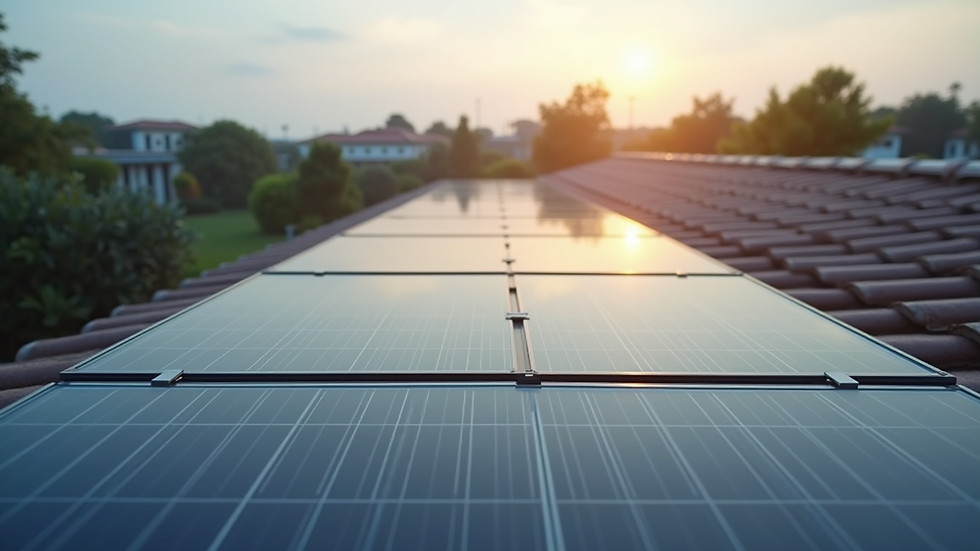
Communities can also benefit from decentralized renewable projects like microgrids and solar rooftops, which empower local energy generation and reduce transmission losses.
The Road Ahead for India’s Energy Future
India’s commitment to renewable power solutions is reshaping its energy landscape. Continued investments, supportive policies, and technological innovation will drive this transition forward. As renewable energy becomes more accessible and affordable, it will play a crucial role in powering India’s growth sustainably.
The journey is not without challenges, including grid integration, financing, and skill development. However, with collaborative efforts from government, industry, and society, India can overcome these hurdles and emerge as a global leader in clean energy.
By embracing renewable power solutions, India is not only protecting its environment but also creating a resilient and inclusive energy future for generations to come. This transformation is a testament to the power of innovation and commitment in addressing one of the most pressing issues of our time.


Comments