

Understanding Renewable Energy Sources and Opportunities in Kudal
- simotechindia
- Feb 24
- 4 min read

Renewable energy is transforming how communities power their homes, businesses, and industries. Kudal, a town in the Sindhudurg district of Maharashtra, India, is emerging as a promising location for renewable energy development. With its natural resources and growing awareness of sustainable practices, Kudal offers multiple opportunities to harness clean energy. This article explores the renewable energy sources available in Kudal, the potential for growth, and practical steps to tap into these resources effectively.
Exploring Renewable Energy Sources in Kudal
Kudal benefits from several renewable energy sources that can be developed to meet local energy needs and contribute to environmental sustainability. The primary renewable energy sources in the region include:
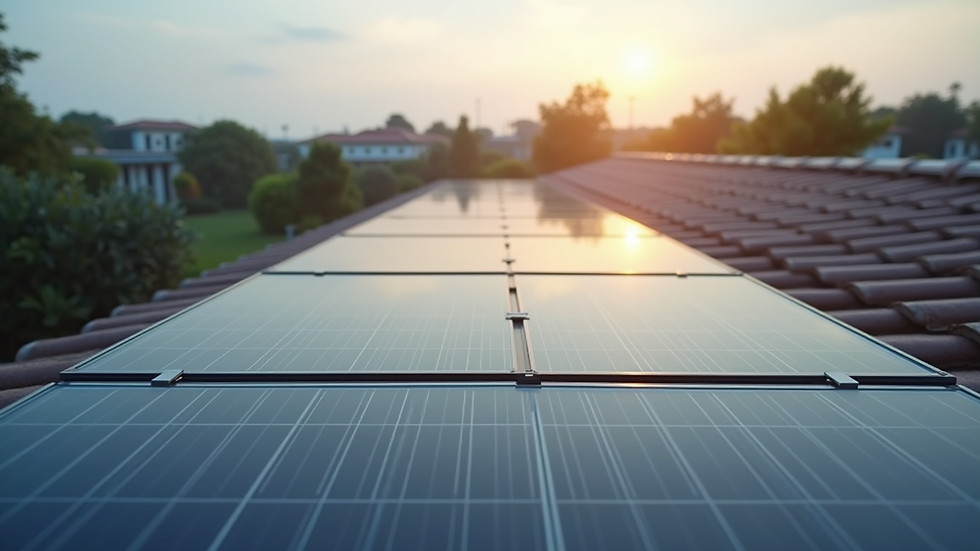
Solar Energy: Kudal receives ample sunlight throughout the year, making solar power a highly viable option. Solar panels can be installed on rooftops, open fields, and community spaces to generate electricity.
Wind Energy: The coastal and hilly terrain around Kudal experiences moderate to strong winds, especially during the monsoon season. Small to medium-sized wind turbines can be installed to capture this energy.
Biomass Energy: The agricultural activities in and around Kudal produce organic waste that can be converted into biogas or biofuels. This source is particularly useful for rural households and small industries.
Small Hydro Power: Although Kudal does not have large rivers, small streams and water bodies can be utilized for micro-hydropower projects, especially in hilly areas.
Each of these sources has unique advantages and challenges. Combining them can create a resilient and diversified energy system for Kudal.

Benefits of Renewable Energy Sources for Kudal
Adopting renewable energy sources in Kudal offers several benefits that extend beyond just electricity generation:
Environmental Protection: Renewable energy reduces dependence on fossil fuels, lowering greenhouse gas emissions and air pollution.
Energy Security: Local renewable energy production decreases reliance on external power supplies and enhances energy independence.
Economic Growth: Developing renewable energy projects creates jobs in installation, maintenance, and manufacturing sectors.
Cost Savings: Over time, renewable energy systems reduce electricity bills for households and businesses.
Rural Development: Access to clean energy improves quality of life, supports education, and enables new business opportunities in rural areas.
For example, farmers in Kudal can use solar-powered irrigation pumps to reduce fuel costs and increase crop yields. Similarly, small industries can benefit from reliable and affordable power generated from wind or biomass.
Where is the solar park located in Gujarat?
While this article focuses on Kudal, it is useful to understand the broader context of solar energy development in India. Gujarat is a leading state in solar power generation, with several large solar parks established to harness the region’s abundant sunlight. One of the prominent solar parks in Gujarat is the Charanka Solar Park, located in Patan district. This park spans thousands of acres and has a capacity of over 500 MW, making it one of the largest in Asia.
The success of Gujarat’s solar parks serves as an inspiration for regions like Kudal to develop their own solar infrastructure. Learning from Gujarat’s experience can help streamline project planning, financing, and community engagement in Kudal.

Practical Steps to Harness Renewable Energy in Kudal
To fully realize the potential of renewable energy in Kudal, stakeholders including local government, businesses, and residents can take the following practical steps:
Conduct Resource Assessment
Evaluate the solar, wind, biomass, and hydro potential in different parts of Kudal using scientific tools and local knowledge.
Promote Awareness and Training
Organize workshops and campaigns to educate the community about the benefits and operation of renewable energy systems.
Facilitate Financing and Incentives
Work with banks, government schemes, and NGOs to provide affordable loans, subsidies, and incentives for renewable energy projects.
Develop Infrastructure
Invest in grid upgrades, storage solutions, and microgrid systems to integrate renewable energy efficiently.
Encourage Public-Private Partnerships
Collaborate with private companies and startups specializing in renewable technologies to bring innovation and investment.
Implement Pilot Projects
Start with small-scale projects such as solar street lighting, biogas plants, or wind turbines to demonstrate feasibility and build confidence.
Monitor and Maintain Systems
Establish local teams for regular maintenance and monitoring to ensure long-term performance and reliability.
By following these steps, Kudal can create a sustainable energy ecosystem that supports economic development and environmental stewardship.
The Future of Renewable Energy in Kudal
The future of renewable energy in Kudal looks promising as technology advances and awareness grows. Emerging trends such as smart grids, energy storage, and hybrid renewable systems can further enhance energy reliability and efficiency. Additionally, integrating renewable energy with digital platforms can enable better energy management and consumer participation.
For residents and businesses interested in exploring renewable options, connecting with local experts and government programs is a good starting point. For instance, the renewable energy kudal initiative provides resources, project updates, and support for renewable energy adoption in the region.
Investing in renewable energy not only addresses current energy challenges but also contributes to a cleaner, healthier environment for future generations. Kudal’s natural advantages and community spirit position it well to become a model for sustainable energy development in Maharashtra and beyond.


Comments