

Transforming India with Advanced Renewable Energy Systems
- simotechindia
- Sep 19, 2025
- 4 min read

India is undergoing a remarkable transformation in its energy landscape. The shift towards clean energy solutions is not just a trend but a necessity driven by environmental concerns, economic growth, and energy security. This transformation is powered by innovative technologies and strategic policies that promote sustainable development. The adoption of advanced renewable energy systems is playing a pivotal role in this journey, helping India reduce its carbon footprint and meet its growing energy demands efficiently.
The Rise of Clean Energy Solutions in India
India's energy sector has traditionally relied heavily on fossil fuels such as coal and oil. However, the environmental impact and finite nature of these resources have pushed the country to explore cleaner alternatives. Clean energy solutions, including solar, wind, hydro, and bioenergy, are gaining momentum due to their sustainability and cost-effectiveness.
The government has set ambitious targets to increase the share of renewable energy in the national grid. Initiatives like the National Solar Mission and wind energy projects have attracted significant investments. These efforts are complemented by technological advancements that improve the efficiency and reliability of clean energy systems.
For example, solar power plants equipped with tracking systems can capture more sunlight throughout the day, increasing energy output. Similarly, offshore wind farms harness stronger and more consistent winds, providing a stable power supply. These innovations are crucial for integrating renewable energy into the grid and ensuring energy availability.

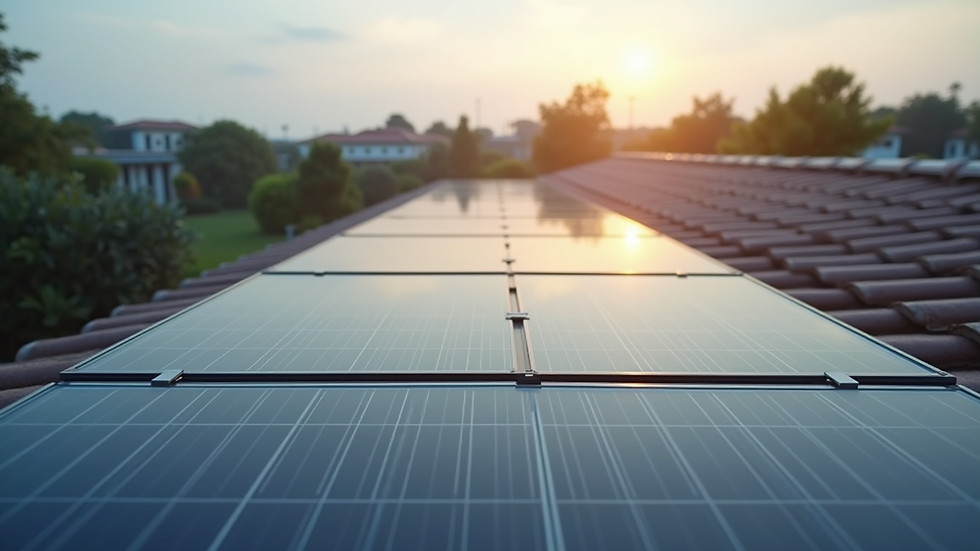
Solar farm in India generating clean energy
Benefits of Adopting Clean Energy Solutions
The adoption of clean energy solutions offers multiple benefits for India, ranging from environmental to economic advantages.
Environmental Impact: Clean energy reduces greenhouse gas emissions, helping combat climate change. It also decreases air pollution, improving public health.
Energy Security: Renewable sources are abundant and locally available, reducing dependence on imported fuels.
Economic Growth: The renewable energy sector creates jobs in manufacturing, installation, and maintenance. It also attracts foreign investment.
Cost Savings: Over time, renewable energy systems lower electricity costs due to minimal fuel expenses and decreasing technology costs.
Rural Development: Off-grid renewable energy solutions provide electricity to remote areas, improving quality of life and enabling new economic activities.
For instance, solar microgrids have been deployed in rural villages, powering homes, schools, and small businesses. This access to electricity fosters education and entrepreneurship, contributing to overall development.
What are the 7 types of renewable energy sources?
Understanding the different types of renewable energy sources is essential to appreciate their potential and applications. The seven main types include:
Solar Energy: Captured from sunlight using photovoltaic cells or solar thermal systems.
Wind Energy: Generated by converting wind flow into electricity using turbines.
Hydropower: Produced by harnessing the energy of flowing or falling water.
Biomass Energy: Derived from organic materials like plant and animal waste.
Geothermal Energy: Extracted from the Earth's internal heat.
Tidal Energy: Generated from the movement of tides in oceans and seas.
Wave Energy: Produced by the surface motion of ocean waves.
Each source has unique characteristics and suitability depending on geographic and climatic conditions. For example, solar energy is highly effective in sunny regions, while tidal energy is viable in coastal areas with strong tidal movements.

Wind turbines generating electricity in coastal India
Challenges and Solutions in Implementing Renewable Energy
Despite the promising outlook, several challenges hinder the widespread adoption of renewable energy in India.
Intermittency: Solar and wind energy depend on weather conditions, causing fluctuations in power supply.
Grid Integration: Managing variable renewable energy sources requires advanced grid infrastructure and smart technologies.
Financing: High initial investment costs can be a barrier for large-scale projects.
Land Acquisition: Securing land for renewable energy projects can face legal and social hurdles.
Technical Expertise: Skilled workforce and technological know-how are essential for installation and maintenance.
Addressing these challenges involves a combination of policy support, technological innovation, and capacity building. For example:
Energy Storage: Battery systems and pumped hydro storage help balance supply and demand.
Smart Grids: Digital technologies enable better grid management and integration of diverse energy sources.
Public-Private Partnerships: Collaborative financing models reduce risks and attract investments.
Community Engagement: Involving local communities ensures smoother land acquisition and project acceptance.
Training Programs: Developing technical skills enhances project quality and sustainability.
By overcoming these obstacles, India can accelerate its transition to a clean energy future.
The Role of Advanced Renewable Energy Systems in India's Future
Advanced renewable energy systems are at the heart of India's clean energy revolution. These systems combine cutting-edge technology with innovative design to maximize efficiency and reliability.
For instance, hybrid power plants integrate solar and wind energy with storage solutions to provide continuous power. Smart meters and IoT devices enable real-time monitoring and optimization of energy consumption. Additionally, advancements in materials science have led to more durable and efficient solar panels and wind turbines.
The integration of these technologies supports India's goal of achieving net-zero emissions by 2070. It also aligns with global efforts to combat climate change and promote sustainable development.
To learn more about the technologies driving this transformation, explore the latest developments in renewable energy systems.

Technician inspecting solar panel for maintenance
Embracing a Sustainable Energy Future
India's journey towards clean energy solutions is a testament to its commitment to sustainability and innovation. By harnessing the power of advanced renewable energy systems, the country is not only addressing its energy needs but also contributing to global environmental goals.
The path forward involves continued investment in technology, supportive policies, and active participation from all stakeholders. As renewable energy becomes more accessible and affordable, it will empower communities, drive economic growth, and protect the planet for future generations.
The transformation is underway, and the future of energy in India looks bright, clean, and sustainable.


Comments