

Transforming India's Energy Future with Clean Energy Solutions
- simotechindia
- Jan 8
- 3 min read

India stands at a pivotal moment in its energy journey. With rapid economic growth and increasing energy demands, the country faces the challenge of balancing development with environmental sustainability. The shift towards clean energy solutions is not just a necessity but an opportunity to redefine India's energy landscape. This transformation promises to reduce pollution, enhance energy security, and create new economic opportunities.
The Rise of Clean Energy Solutions in India
India has made remarkable strides in adopting clean energy solutions over the past decade. Solar and wind power have emerged as the frontrunners in this transition. The government’s ambitious targets, such as achieving 500 GW of renewable energy capacity by 2030, underline the commitment to a greener future.
Solar parks across states like Rajasthan and Tamil Nadu are harnessing the abundant sunlight to generate electricity. Wind farms in Gujarat and Maharashtra contribute significantly to the grid. These projects not only reduce dependence on fossil fuels but also create jobs and stimulate local economies.
Key benefits of clean energy solutions include:
Reduction in greenhouse gas emissions
Lower operational costs over time
Energy independence and security
Job creation in manufacturing, installation, and maintenance

Challenges and Opportunities in Scaling Clean Energy
Despite the progress, several challenges remain in scaling clean energy solutions across India. Grid integration, storage technologies, and financing are critical areas that need attention.
Grid integration is essential to manage the intermittent nature of solar and wind power. Upgrading transmission infrastructure and implementing smart grid technologies can help balance supply and demand efficiently.
Energy storage solutions like batteries are vital to store excess energy generated during peak production times. This stored energy can then be used when demand is high or when renewable sources are not producing.
Financing remains a hurdle for many renewable projects, especially in rural areas. Innovative financing models, including public-private partnerships and green bonds, can unlock capital for these initiatives.
To overcome these challenges, India can leverage its growing expertise in renewable energy systems and collaborate with global partners to adopt best practices and advanced technologies.
Innovations Driving the Clean Energy Revolution
Technological innovation is at the heart of India's clean energy revolution. Advances in solar panel efficiency, wind turbine design, and energy storage are making renewable energy more affordable and reliable.
For example, floating solar farms on reservoirs and lakes are gaining popularity. These installations reduce land use conflicts and improve panel efficiency due to the cooling effect of water.
Smart meters and IoT devices enable consumers to monitor and manage their energy consumption, promoting energy efficiency at the household and industrial levels.
Additionally, green hydrogen production using renewable energy is emerging as a promising solution for decarbonizing sectors like transportation and heavy industry.

Practical Steps for Businesses and Communities
Businesses and communities play a crucial role in accelerating the adoption of clean energy solutions. Here are some actionable recommendations:
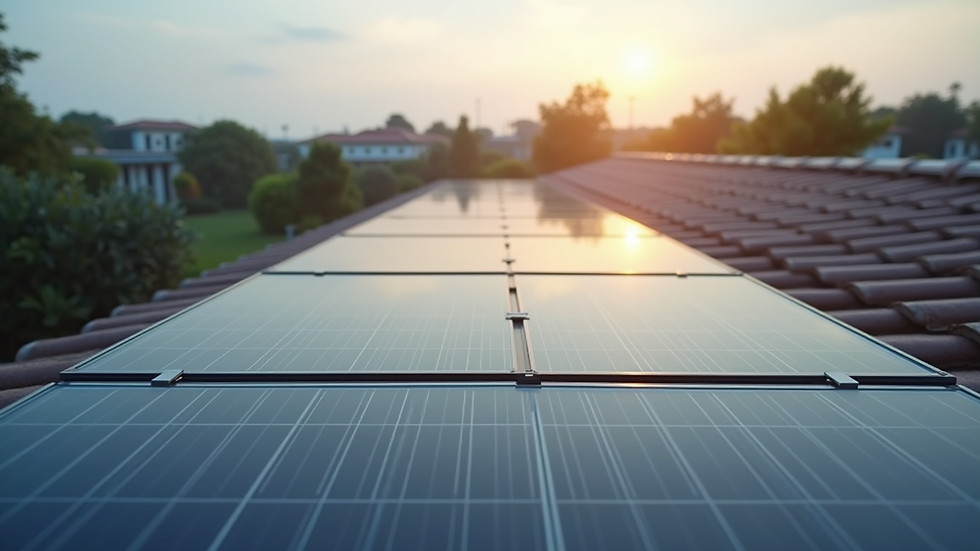
Invest in on-site renewable energy: Installing solar panels or small wind turbines can reduce energy costs and carbon footprints.
Adopt energy-efficient practices: Use LED lighting, energy-efficient appliances, and optimize industrial processes.
Engage in community solar projects: These allow multiple users to benefit from a single solar installation, making clean energy accessible to more people.
Support policy advocacy: Encourage local and national governments to create favorable policies and incentives for renewable energy adoption.
Educate and raise awareness: Inform employees, customers, and community members about the benefits of clean energy and how to participate.
By taking these steps, stakeholders can contribute to a sustainable energy future while enjoying economic and environmental benefits.
The Road Ahead: Embracing a Sustainable Energy Future
India’s journey towards a clean energy future is both challenging and inspiring. The integration of clean energy solutions into the national grid, combined with innovative technologies and supportive policies, will pave the way for a resilient and sustainable energy system.
The transition will require collaboration among government, industry, and citizens. By embracing renewable energy and energy efficiency, India can reduce its carbon footprint, improve public health, and secure energy for future generations.
The transformation of India’s energy sector is not just about technology; it is about creating a better quality of life and a healthier planet. The time to act is now, and the potential rewards are immense.
This evolving energy landscape offers a unique opportunity to rethink how power is generated and consumed. With continued commitment and innovation, India can lead the world in clean energy solutions and inspire a global movement towards sustainability.


Comments