

Transform India with Smart Renewable Energy Systems
- simotechindia
- Aug 16, 2025
- 4 min read

India stands at a pivotal moment in its energy journey. With rapid urbanization, increasing energy demands, and environmental concerns, the country needs innovative solutions to power its future sustainably. Smart clean energy technologies offer a promising path to transform India’s energy landscape, ensuring economic growth while protecting the environment. This blog explores how these technologies can revolutionize India’s energy sector and what practical steps can be taken to accelerate this transformation.
The Promise of Clean Energy Technologies in India
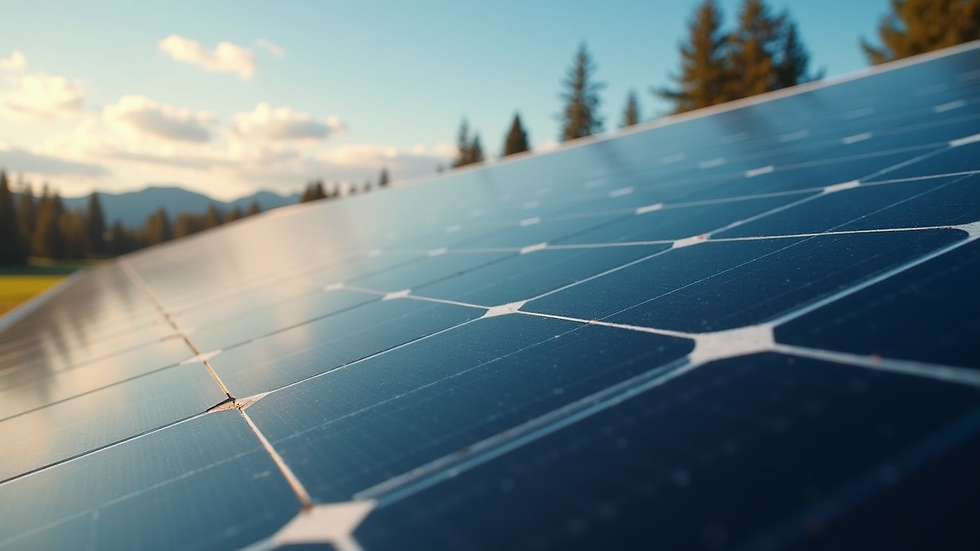
Clean energy technologies encompass a range of innovations designed to generate power with minimal environmental impact. These include solar panels, wind turbines, energy storage systems, and smart grids. India’s geographic diversity and climate make it an ideal candidate for harnessing these technologies.
For example, the vast deserts of Rajasthan and Gujarat receive abundant sunlight, making solar power a natural choice. Coastal regions like Tamil Nadu and Maharashtra have strong wind currents suitable for wind energy farms. By leveraging these natural advantages, India can reduce its dependence on fossil fuels and cut greenhouse gas emissions.
Key benefits of clean energy technologies include:
Reduced carbon footprint: Clean energy produces little to no greenhouse gases.
Energy security: Diversifying energy sources reduces reliance on imported fuels.
Job creation: The renewable energy sector offers numerous employment opportunities.
Cost savings: Over time, renewable energy can be cheaper than conventional power.

How Smart Technologies Enhance Clean Energy Systems
Smart clean energy technologies integrate digital tools and automation to optimize energy production, distribution, and consumption. These systems use sensors, data analytics, and artificial intelligence to improve efficiency and reliability.
For instance, smart grids can balance electricity supply and demand in real-time, reducing energy waste. They also enable better integration of intermittent renewable sources like solar and wind by predicting weather patterns and adjusting power flows accordingly.
Energy storage solutions, such as advanced batteries, store excess energy generated during peak production times. This stored energy can then be used when demand is high or when renewable sources are not producing power, ensuring a steady energy supply.
Practical applications of smart clean energy technologies include:
Smart meters: Allow consumers to monitor and manage their energy use.
Demand response programs: Encourage users to reduce consumption during peak hours.
Microgrids: Localized grids that can operate independently, improving resilience.
Predictive maintenance: Sensors detect equipment issues before failures occur.

The Role of Renewable Energy Systems in India’s Energy Future
India’s energy transition depends heavily on the adoption of advanced renewable energy systems. These systems combine various clean energy sources with smart technology to create efficient, scalable solutions.
For example, hybrid power plants that integrate solar, wind, and battery storage can provide consistent power output regardless of weather conditions. This flexibility is crucial for meeting India’s growing energy needs while maintaining grid stability.
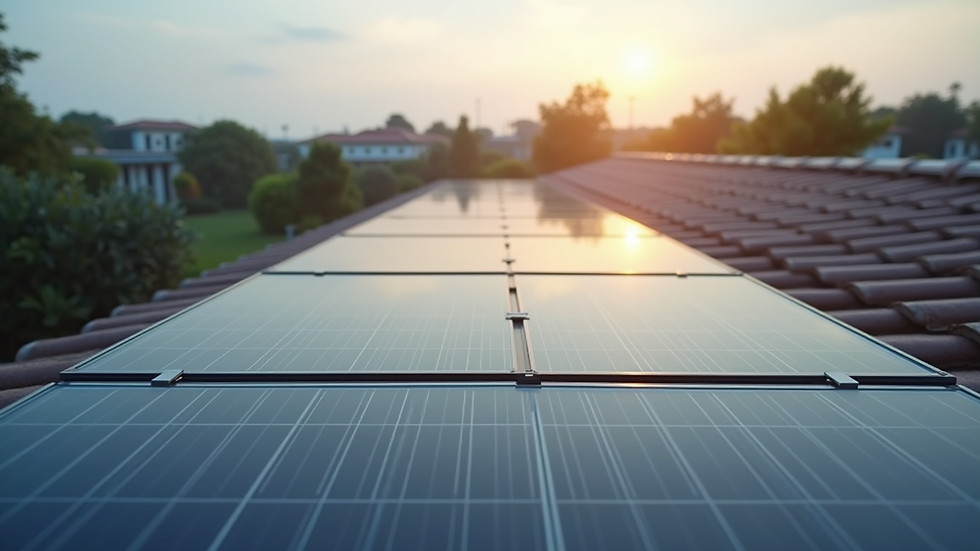
Moreover, decentralized renewable energy systems can bring electricity to remote and underserved areas, supporting rural development and improving quality of life. Solar home systems and mini-grids are already transforming villages by providing reliable power for lighting, education, and healthcare.
Actionable recommendations for accelerating renewable energy adoption:
Government incentives: Subsidies and tax breaks to encourage investment.
Public-private partnerships: Collaboration to fund and deploy projects.
Capacity building: Training programs to develop skilled workforce.
Research and innovation: Support for new technologies and business models.
Overcoming Challenges in Implementing Clean Energy Technologies
Despite the clear benefits, several challenges hinder the widespread adoption of clean energy technologies in India. Addressing these obstacles is essential for a successful energy transition.
Common challenges include:
High initial costs: Although prices are falling, upfront investment remains a barrier.
Grid infrastructure: Existing grids may not support variable renewable energy sources.
Regulatory hurdles: Complex policies can delay project approvals.
Awareness and acceptance: Lack of knowledge among consumers and businesses.
To overcome these challenges, stakeholders must work together to create an enabling environment. This includes simplifying regulations, improving grid infrastructure, and raising public awareness about the benefits of clean energy.
Steps to tackle these issues:
Develop financing models that reduce upfront costs, such as leasing or pay-as-you-go.
Upgrade grid infrastructure to handle distributed energy resources.
Streamline permitting processes to accelerate project timelines.
Launch educational campaigns to promote clean energy adoption.
Empowering Communities Through Clean Energy
Clean energy technologies have the power to transform not just the energy sector but entire communities. By providing affordable and reliable power, these technologies can improve health, education, and economic opportunities.
For example, solar-powered irrigation pumps help farmers increase crop yields while reducing diesel consumption. Electrified schools and clinics enhance learning and healthcare services. Small businesses benefit from stable electricity, enabling growth and job creation.
Community involvement is key to the success of clean energy projects. Engaging local stakeholders in planning and decision-making ensures that solutions meet their needs and gain long-term support.
Tips for community empowerment:
Involve community leaders in project design and implementation.
Provide training on system operation and maintenance.
Establish local energy cooperatives to manage resources.
Promote gender inclusion to ensure benefits reach all members.
By embracing smart clean energy technologies, India can build a sustainable, inclusive energy future that supports economic development and environmental stewardship.
Transforming India’s energy landscape with smart clean energy technologies is not just a possibility - it is a necessity. With the right strategies and collaboration, the country can lead the way in sustainable development and create a brighter future for generations to come.


Comments