

Top Sustainable Energy Solutions for Indian Homes and Businesses
- simotechindia
- Aug 7, 2025
- 4 min read

India is rapidly evolving in its approach to energy consumption, with a growing emphasis on eco-friendly energy ideas. As the demand for power increases, so does the need for sustainable and renewable energy sources that reduce environmental impact and promote long-term economic benefits. Whether for homes or businesses, adopting green energy technologies is becoming essential to meet energy needs responsibly.
This article explores the top sustainable energy solutions available in India, focusing on practical, cost-effective, and innovative options. It also highlights the main types of sustainable energy and offers actionable recommendations for implementation.
Embracing Eco-Friendly Energy Ideas for Indian Homes and Businesses
Eco-friendly energy ideas are transforming how Indian households and enterprises consume power. The shift towards renewable energy is driven by several factors:
Rising electricity costs
Government incentives and subsidies
Environmental concerns and climate change awareness
Technological advancements making renewable energy more accessible
For homes, solar panels and energy-efficient appliances are popular choices. Businesses, on the other hand, are investing in larger-scale solar installations, wind energy, and energy management systems to reduce operational costs and carbon footprints.
Practical Eco-Friendly Energy Ideas for Homes
Solar Rooftop Panels
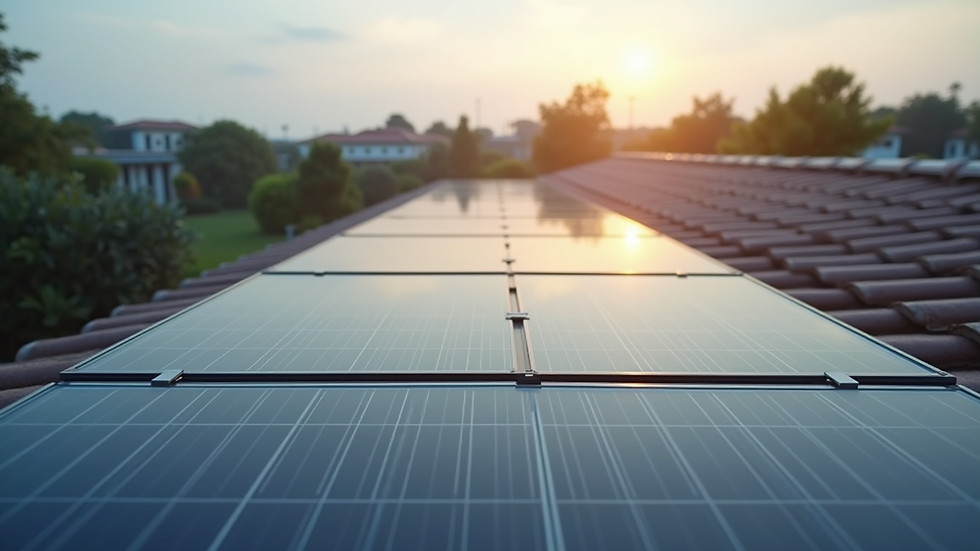
Installing solar panels on rooftops is one of the most effective ways to generate clean energy. Solar power systems can significantly reduce electricity bills and provide energy independence. Many Indian states offer subsidies and net metering policies that allow homeowners to sell excess power back to the grid.
Energy-Efficient Lighting and Appliances
Switching to LED lighting and energy-star rated appliances reduces electricity consumption. These devices use less power and have longer lifespans, making them cost-effective in the long run.
Solar Water Heaters
Solar water heaters use the sun’s energy to heat water, cutting down on electricity or gas usage. They are especially beneficial in regions with abundant sunlight.
Eco-Friendly Energy Ideas for Businesses
Large-Scale Solar Power Plants
Businesses with large rooftops or land can install solar power plants to meet their energy needs. This reduces dependence on grid electricity and lowers operational costs.
Wind Energy Solutions
In regions with consistent wind speeds, small to medium-sized wind turbines can be installed to generate electricity. This is particularly useful for industries located in coastal or hilly areas.
Energy Management Systems
Implementing smart energy management systems helps businesses monitor and optimize energy use, reducing wastage and improving efficiency.

What are the Main 4 Sustainable Energy?
Understanding the primary types of sustainable energy is crucial for making informed decisions about energy investments. The four main sustainable energy sources are:
Solar Energy
Solar energy harnesses sunlight using photovoltaic cells or solar thermal systems. It is abundant, renewable, and widely applicable for both small-scale and large-scale use.
Wind Energy
Wind turbines convert kinetic energy from wind into electricity. Wind energy is clean and efficient, especially in areas with strong and consistent winds.
Hydropower
Hydropower generates electricity by using flowing or falling water to spin turbines. It is a reliable and mature technology but requires suitable geographic conditions.
Biomass Energy
Biomass energy comes from organic materials such as agricultural waste, wood, and animal manure. It can be converted into biofuels or used directly for heating and power generation.
Each of these energy sources offers unique advantages and can be integrated into homes and businesses depending on location, budget, and energy needs.

Benefits of Adopting Sustainable Energy Solutions in India
Adopting sustainable energy solutions offers multiple benefits for Indian homes and businesses:
Cost Savings: Reduced electricity bills and lower maintenance costs.
Energy Security: Less dependence on fossil fuels and grid power.
Environmental Impact: Lower greenhouse gas emissions and pollution.
Government Incentives: Access to subsidies, tax benefits, and financing options.
Job Creation: Growth in renewable energy sectors creates employment opportunities.
For example, a small business installing solar panels can save up to 30-40% on electricity costs annually. Similarly, households using solar water heaters can reduce their energy consumption for heating by 50-70%.
How to Implement Sustainable Energy Solutions Effectively
Implementing sustainable energy solutions requires careful planning and execution. Here are some actionable steps:
Energy Audit
Conduct an energy audit to understand current consumption patterns and identify areas for improvement.
Feasibility Study
Assess the suitability of different renewable energy options based on location, budget, and energy needs.
Choose the Right Technology
Select technologies that offer the best return on investment and align with your energy goals.
Leverage Government Schemes
Utilize available subsidies, grants, and net metering policies to reduce upfront costs.
Hire Certified Installers
Work with experienced and certified professionals to ensure quality installation and maintenance.
Monitor and Maintain
Regularly monitor energy systems and perform maintenance to maximize efficiency and lifespan.
By following these steps, Indian homes and businesses can successfully transition to greener energy sources.

Moving Towards a Greener Future with Sustainable Energy
The future of energy in India lies in embracing renewable and sustainable sources. With increasing awareness and technological advancements, more homes and businesses are adopting eco-friendly energy ideas. This shift not only benefits the environment but also enhances energy security and economic resilience.
For those interested in exploring sustainable energy solutions, partnering with reliable providers and staying informed about the latest innovations is key. By making conscious energy choices today, India can pave the way for a cleaner, healthier, and more sustainable tomorrow.


Comments