

Top Sustainable Energy Solutions for India's Future
- simotechindia
- Sep 12, 2025
- 4 min read

India is at a pivotal moment in its energy journey. With rapid urbanization, industrial growth, and a rising population, the demand for energy is soaring. However, the environmental impact of traditional energy sources like coal and oil is pushing the country to explore cleaner, greener alternatives. Embracing eco-friendly energy solutions is not just a necessity but an opportunity for India to lead in sustainable development. This article explores the top eco-friendly energy solutions that can power India's future while protecting the planet.
Harnessing Solar Power: India's Brightest Energy Hope
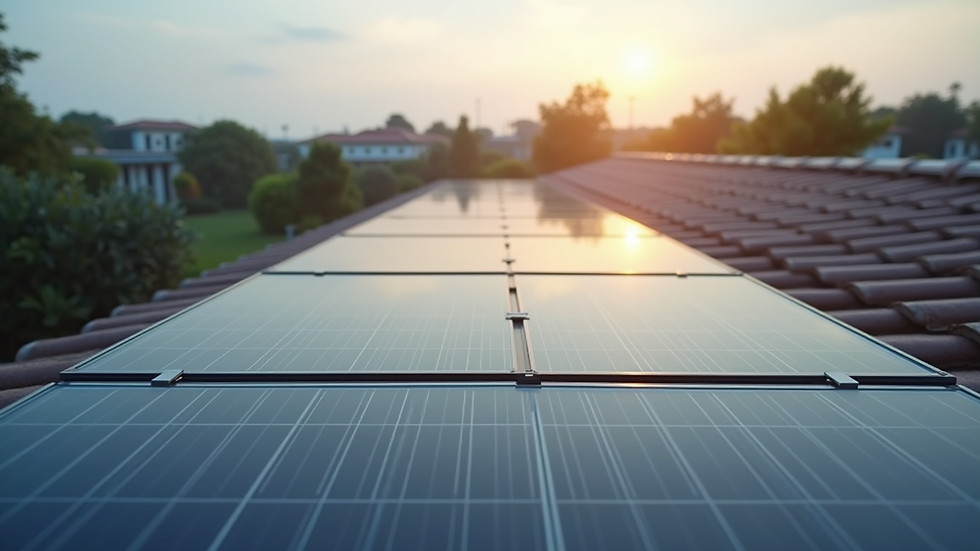
Solar energy stands out as one of the most promising eco-friendly energy solutions for India. The country receives abundant sunlight throughout the year, making solar power a natural fit. Solar panels convert sunlight directly into electricity, providing a clean and renewable source of energy.
Why Solar Energy?
Abundant Resource: India gets about 300 sunny days annually, ideal for solar power generation.
Cost-Effective: The cost of solar panels has dropped significantly, making solar installations more affordable.
Scalable: Solar power can be deployed at various scales, from rooftop panels on homes to large solar farms.
Practical Applications
Rooftop Solar Systems: Homeowners and businesses can install solar panels to reduce electricity bills and carbon footprints.
Solar Microgrids: In rural areas, solar microgrids provide reliable electricity where the main grid is unavailable.
Solar Water Pumps: Farmers can use solar-powered pumps for irrigation, reducing dependence on diesel.

Government Initiatives
The Indian government supports solar energy through schemes like the National Solar Mission, which aims to install 100 GW of solar capacity by 2022. Subsidies and incentives encourage adoption across sectors.
Wind Energy: Capturing the Power of the Breeze
Wind energy is another vital eco-friendly energy solution for India. The country has vast wind corridors, especially in states like Tamil Nadu, Gujarat, and Maharashtra, where wind turbines can generate significant electricity.
Advantages of Wind Power
Renewable and Clean: Wind turbines produce electricity without emissions.
Cost-Competitive: Wind power is increasingly cost-effective compared to fossil fuels.
Job Creation: The wind energy sector creates employment in manufacturing, installation, and maintenance.
Implementation Examples
Onshore Wind Farms: Large-scale wind farms contribute substantially to the grid.
Hybrid Projects: Combining wind and solar power enhances reliability and efficiency.
Community Wind Projects: Localized wind projects empower rural communities with clean energy.

Challenges and Solutions
Wind energy depends on consistent wind speeds, which can vary. To address this, energy storage systems and hybrid renewable setups are being developed to ensure steady power supply.
Biomass Energy: Turning Waste into Power
Biomass energy utilizes organic materials like agricultural residues, animal waste, and forestry by-products to generate electricity and heat. This eco-friendly energy solution is particularly relevant for India’s agrarian economy.
Benefits of Biomass Energy
Waste Management: Converts agricultural and organic waste into useful energy.
Rural Development: Provides energy access and employment in rural areas.
Carbon Neutral: Biomass releases carbon dioxide absorbed during plant growth, making it carbon neutral.
Practical Uses
Biogas Plants: Small-scale biogas digesters produce methane for cooking and lighting.
Biomass Power Plants: Larger plants generate electricity for the grid.
Biofuels: Biomass can be converted into bioethanol and biodiesel for transportation.

Government Support
India promotes biomass energy through subsidies and programs like the National Bio-Energy Mission, encouraging farmers and entrepreneurs to adopt biomass technologies.
Energy Efficiency: The Unsung Hero of Sustainable Energy
While generating clean energy is crucial, reducing energy consumption through efficiency is equally important. Energy efficiency means using less energy to perform the same tasks, which lowers costs and environmental impact.
Key Strategies for Energy Efficiency
LED Lighting: Replacing incandescent bulbs with LEDs reduces electricity use drastically.
Energy-Efficient Appliances: Using appliances with high star ratings saves energy.
Building Design: Incorporating natural light, ventilation, and insulation reduces heating and cooling needs.
Industrial and Commercial Applications
Process Optimization: Industries can optimize machinery and processes to reduce energy waste.
Smart Grids and Meters: These technologies help monitor and manage energy consumption effectively.
Green Buildings: Certification programs encourage sustainable construction practices.
The Role of Hydropower and Emerging Technologies
Hydropower has been a traditional renewable energy source in India, with many dams generating electricity. While large dams have environmental concerns, small and micro-hydropower projects offer eco-friendly alternatives.
Small Hydropower Projects
Minimal Environmental Impact: Small projects avoid large-scale flooding and habitat disruption.
Local Energy Supply: Ideal for remote areas with flowing water sources.
Reliable and Consistent: Provides steady power unlike intermittent solar or wind.
Emerging Technologies
Tidal and Wave Energy: India’s long coastline offers potential for ocean energy.
Energy Storage Solutions: Batteries and pumped storage improve renewable energy reliability.
Green Hydrogen: Producing hydrogen from renewable energy can decarbonize industries and transport.
Moving Forward with Sustainable Energy Solutions
India’s energy future depends on a balanced mix of renewable sources, energy efficiency, and innovative technologies. By investing in solar, wind, biomass, and other eco-friendly energy solutions, the country can reduce its carbon footprint, enhance energy security, and promote economic growth.
For businesses and individuals looking to contribute, exploring sustainable energy solutions can provide practical pathways to cleaner energy use. Whether it’s installing solar panels, adopting energy-efficient appliances, or supporting renewable projects, every step counts.
India’s journey towards a sustainable energy future is not just about technology but also about policy, awareness, and community participation. Together, these efforts can power a greener, healthier, and more prosperous India.



Comments