

Sustainable Energy Solutions: Paving the Way for India
- simotechindia
- Oct 22, 2025
- 4 min read

India is at a pivotal moment in its energy journey. With rapid urbanization, industrial growth, and a rising population, the demand for energy is soaring. However, this growth must be balanced with environmental responsibility and long-term sustainability. Efficient energy strategies are essential to meet these challenges head-on. By adopting innovative and sustainable approaches, India can secure a cleaner, greener, and more prosperous future.
The Importance of Efficient Energy Strategies in India
India's energy landscape is complex. The country relies heavily on coal and other fossil fuels, which contribute significantly to pollution and greenhouse gas emissions. Transitioning to efficient energy strategies means reducing dependence on these traditional sources and embracing cleaner alternatives.
Key reasons why efficient energy strategies matter:
Environmental Protection: Reducing carbon emissions helps combat climate change and improves air quality.
Energy Security: Diversifying energy sources reduces vulnerability to global fuel price fluctuations.
Economic Growth: Investing in renewable energy creates jobs and stimulates innovation.
Health Benefits: Cleaner energy reduces respiratory and cardiovascular diseases caused by pollution.
For example, the government’s push for solar power through initiatives like the National Solar Mission has already made India one of the largest solar energy producers globally. This shift not only supports environmental goals but also creates new economic opportunities.
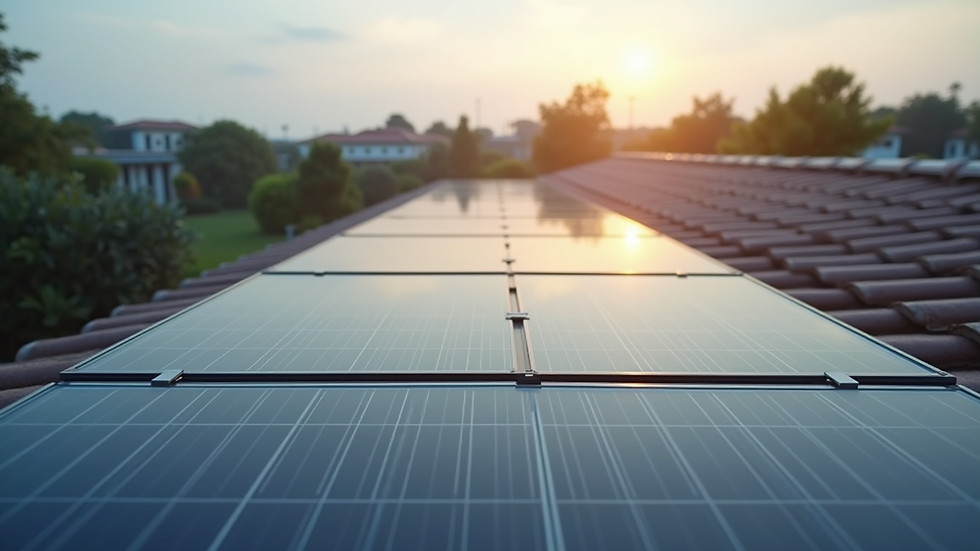
Solar panels installed on a rooftop in India, showcasing renewable energy adoption
Key Efficient Energy Strategies Transforming India
India’s energy transition involves multiple strategies that focus on efficiency, sustainability, and innovation. Here are some of the most impactful approaches:
1. Expanding Renewable Energy Capacity
India has set ambitious targets to increase renewable energy capacity to 500 GW by 2030. This includes solar, wind, biomass, and small hydro projects. The government supports this through subsidies, tax incentives, and streamlined approval processes.
Solar Power: Large-scale solar parks and rooftop solar installations are growing rapidly.
Wind Energy: Coastal and inland wind farms harness natural wind currents.
Biomass Energy: Agricultural waste is converted into bioenergy, reducing pollution and providing rural income.
2. Enhancing Energy Efficiency in Industry and Buildings
Industries and buildings consume a significant portion of India’s energy. Implementing energy-efficient technologies and practices can drastically reduce consumption.
LED Lighting: Replacing traditional bulbs with LEDs saves energy and reduces costs.
Smart Meters: These devices help monitor and optimize electricity use.
Green Building Standards: Certifications like LEED encourage sustainable construction and operation.
3. Promoting Electric Mobility
Electric vehicles (EVs) are gaining traction as a cleaner alternative to petrol and diesel vehicles. The Faster Adoption and Manufacturing of Hybrid and Electric Vehicles (FAME) scheme incentivizes EV purchases and infrastructure development.
Charging Infrastructure: Expanding public and private charging stations is critical.
Battery Technology: Advances in battery storage improve vehicle range and affordability.
4. Grid Modernization and Energy Storage
A modern, smart grid can efficiently manage energy supply and demand, integrate renewables, and reduce losses.
Smart Grids: Use digital technology to monitor and control energy flow.
Energy Storage: Batteries and other storage solutions help balance intermittent renewable energy supply.
These strategies collectively form a robust framework for India’s energy future.
Why do I keep getting phone calls from Green Energy?
Many people in India have noticed an increase in calls from companies promoting green energy products and services. This trend reflects the growing market and awareness around sustainable energy.
Reasons behind these calls include:
Marketing for Solar Installations: Companies offer rooftop solar panel installations to homeowners and businesses.
Energy Audits and Efficiency Solutions: Firms provide assessments and upgrades to reduce energy bills.
Electric Vehicle Promotions: Dealers and manufacturers promote EVs and related infrastructure.
Government Scheme Awareness: Some calls aim to inform citizens about subsidies and incentives.
While these calls can sometimes be intrusive, they also indicate a positive shift towards cleaner energy adoption. Consumers should verify the credibility of companies and seek transparent information before making decisions.
Solar technician inspecting rooftop solar panels, representing green energy services
Challenges in Implementing Efficient Energy Strategies
Despite progress, India faces several challenges in fully realizing efficient energy strategies:
Infrastructure Gaps: Limited grid capacity and storage hinder renewable integration.
Financing Issues: High upfront costs for renewable projects and energy-efficient technologies.
Policy and Regulatory Barriers: Complex regulations can delay project approvals.
Public Awareness: Many consumers lack information about benefits and options.
Energy Access: Rural and remote areas still struggle with reliable electricity supply.
Addressing these challenges requires coordinated efforts from government, industry, and communities. Public-private partnerships, innovative financing models, and education campaigns are vital.
How Individuals and Businesses Can Contribute
Everyone has a role in advancing India’s energy transition. Here are practical steps individuals and businesses can take:
For Individuals
Install Rooftop Solar: Reduce electricity bills and carbon footprint.
Use Energy-Efficient Appliances: Look for star-rated products.
Adopt EVs or Use Public Transport: Lower emissions from daily travel.
Practice Energy Conservation: Turn off lights and devices when not in use.
For Businesses
Conduct Energy Audits: Identify and implement efficiency improvements.
Invest in Renewable Energy: Install solar panels or purchase green power.
Promote Sustainable Practices: Encourage employees to adopt eco-friendly habits.
Collaborate with Energy Experts: Partner with firms specializing in sustainable energy solutions to optimize energy use.
Energy-efficient LED lighting in a business office, illustrating corporate sustainability efforts
Looking Ahead: India’s Energy Future
India’s journey towards efficient energy strategies and sustainable growth is well underway. Continued innovation, supportive policies, and active participation from all sectors will accelerate this transformation.
By embracing renewable energy, improving efficiency, and fostering awareness, India can become a global leader in clean energy. This will not only protect the environment but also enhance economic resilience and quality of life for millions.
The path is clear - sustainable energy solutions are not just an option but a necessity for India’s future prosperity. Together, these efforts will pave the way for a brighter, cleaner, and more efficient energy landscape.


Comments