

Sustainable Energy Solutions for a Greener Tomorrow
- simotechindia
- Oct 1, 2025
- 4 min read

As the world faces increasing environmental challenges, the shift towards eco-friendly energy options has become more critical than ever. Traditional energy sources, such as fossil fuels, contribute significantly to pollution and climate change. Transitioning to cleaner, renewable energy not only helps protect the planet but also promotes economic growth and energy security. This article delves into various eco-friendly energy options, practical examples, and actionable steps to embrace a sustainable future.
Understanding Eco-Friendly Energy Options
Eco-friendly energy options refer to energy sources and technologies that have minimal negative impact on the environment. These options are renewable, meaning they replenish naturally and are less likely to run out compared to fossil fuels. They also produce little to no greenhouse gas emissions, reducing the carbon footprint.
Some of the most common eco-friendly energy options include solar power, wind energy, hydropower, geothermal energy, and biomass. Each of these has unique advantages and applications depending on geographic location, climate, and infrastructure.
Benefits of Eco-Friendly Energy Options
Reduced Carbon Emissions: Renewable energy sources emit little or no greenhouse gases.
Sustainability: These sources are naturally replenished, ensuring long-term availability.
Energy Independence: Reduces reliance on imported fuels, enhancing national security.
Economic Growth: Creates jobs in new industries and reduces energy costs over time.
Health Improvements: Less air and water pollution lead to better public health outcomes.
Adopting eco-friendly energy options requires investment in technology, infrastructure, and education. Governments, businesses, and individuals all play a role in accelerating this transition.

Key Eco-Friendly Energy Options in Detail
Solar Energy
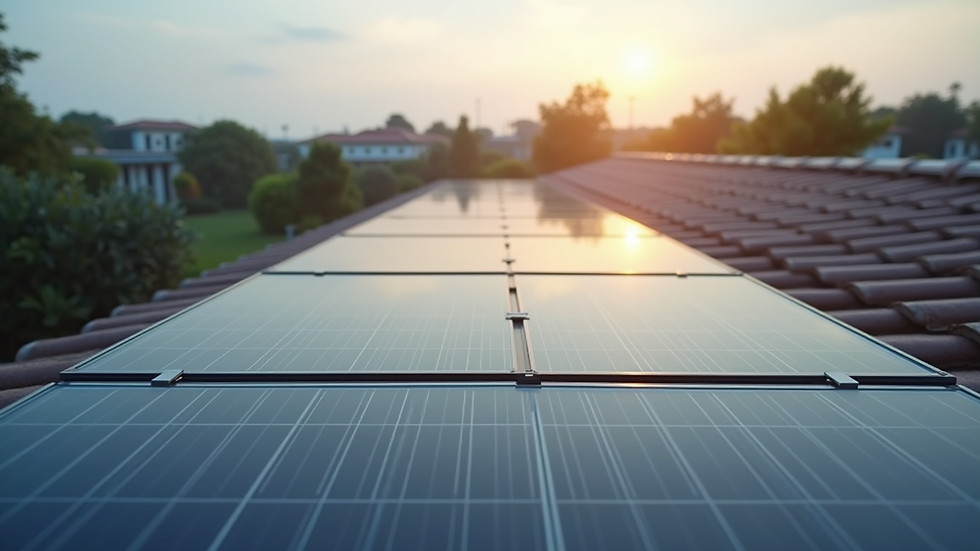
Solar energy harnesses sunlight using photovoltaic (PV) panels or solar thermal systems. It is one of the fastest-growing renewable energy sources worldwide due to its scalability and decreasing costs.
Residential Use: Homeowners can install rooftop solar panels to generate electricity, reducing utility bills.
Commercial Applications: Businesses use solar arrays to power operations and reduce carbon footprints.
Utility-Scale Solar Farms: Large solar farms feed clean energy into the grid, supporting entire communities.
Solar energy systems require minimal maintenance and can last for decades. Additionally, solar power can be combined with battery storage to provide energy even when the sun is not shining.
Wind Energy
Wind energy converts the kinetic energy of wind into electricity using turbines. It is especially effective in open plains, coastal areas, and offshore locations.
Onshore Wind Farms: Turbines installed on land generate significant amounts of electricity.
Offshore Wind Farms: Located in bodies of water, these farms benefit from stronger and more consistent winds.
Small-Scale Wind Turbines: Suitable for rural or remote areas to power homes or farms.
Wind energy is clean, renewable, and cost-competitive with traditional energy sources. However, site selection and environmental impact assessments are crucial to minimize effects on wildlife and local communities.

Hydropower
Hydropower uses the energy of flowing or falling water to generate electricity. It is one of the oldest and most established renewable energy sources.
Large Dams: Generate significant power by controlling river flow.
Run-of-the-River Systems: Smaller installations that use natural river flow without large reservoirs.
Pumped Storage: Stores energy by pumping water uphill during low demand and releasing it during peak demand.
Hydropower provides reliable, consistent energy and can also support grid stability. However, it requires careful management to avoid ecological disruption and displacement of communities.
What are three sustainable energy sources?
Sustainable energy sources are those that can be used indefinitely without depleting natural resources or harming the environment. Three primary sustainable energy sources include:
Solar Energy: Captures sunlight to produce electricity or heat. It is abundant and accessible in most parts of the world.
Wind Energy: Utilizes wind turbines to convert wind into electrical power. It is clean and increasingly cost-effective.
Geothermal Energy: Extracts heat from beneath the Earth's surface to generate electricity or provide heating. It offers a stable and continuous energy supply.
Each of these sources contributes to reducing reliance on fossil fuels and lowering greenhouse gas emissions. They can be integrated into energy systems at various scales, from individual homes to national grids.
Additional Sustainable Energy Sources
Biomass: Organic materials like wood, agricultural residues, and waste converted into energy.
Tidal and Wave Energy: Harnesses ocean movements to generate power, though still emerging technologies.

How to Implement Sustainable Energy Solutions in Daily Life
Transitioning to sustainable energy solutions involves both systemic changes and individual actions. Here are practical steps to incorporate eco-friendly energy options:
For Homeowners
Install Solar Panels: Evaluate your roof’s solar potential and consider installing PV panels.
Use Energy-Efficient Appliances: Reduce overall energy consumption with ENERGY STAR-rated devices.
Switch to Green Energy Providers: Choose utility companies that offer renewable energy plans.
Implement Smart Home Technology: Use smart thermostats and lighting to optimize energy use.
For Businesses
Invest in Renewable Energy Projects: Install solar or wind systems on-site or purchase renewable energy credits.
Conduct Energy Audits: Identify areas to improve efficiency and reduce waste.
Promote Sustainable Practices: Encourage employees to adopt energy-saving habits.
Collaborate with Green Partners: Work with suppliers and contractors committed to sustainability.
For Communities and Governments
Develop Renewable Energy Infrastructure: Support the construction of solar farms, wind parks, and hydropower plants.
Offer Incentives and Subsidies: Provide tax credits, rebates, and grants for renewable energy adoption.
Educate the Public: Raise awareness about the benefits and opportunities of eco-friendly energy options.
Implement Regulations: Set standards for energy efficiency and emissions reductions.
By taking these steps, society can accelerate the adoption of sustainable energy solutions and create a greener tomorrow.
The Future of Energy: Innovations and Trends
The energy landscape is rapidly evolving with technological advancements and policy shifts. Some promising trends include:
Energy Storage: Improved battery technologies enable better integration of intermittent renewables.
Smart Grids: Digital grids optimize energy distribution and consumption in real-time.
Electric Vehicles (EVs): EVs reduce fossil fuel use and can serve as mobile energy storage.
Green Hydrogen: Produced from renewable energy, hydrogen offers a clean fuel alternative for industries and transport.
Decentralized Energy Systems: Microgrids and community solar projects empower local energy generation and resilience.
These innovations will play a crucial role in meeting global climate goals and ensuring energy access for all.
Embracing sustainable energy solutions is essential for protecting the environment and securing a prosperous future. By understanding and adopting eco-friendly energy options, individuals, businesses, and governments can contribute to a cleaner, healthier planet. The journey towards a greener tomorrow starts with informed choices and collective action today.


Comments