

Revolutionizing Energy with Renewable Systems in India
- simotechindia
- Oct 1, 2025
- 4 min read

India is undergoing a remarkable transformation in its energy landscape. The shift towards sustainable and eco-friendly power sources is not just a trend but a necessity. With increasing environmental concerns and the depletion of fossil fuels, green energy solutions are becoming the cornerstone of India's energy future. This blog explores how renewable energy is revolutionizing the country, the types of renewable energy available, and practical steps to embrace these technologies.
The Rise of Green Energy Solutions in India
India's energy demand is growing rapidly due to its expanding economy and population. Traditional energy sources like coal and oil have long powered the nation but come with significant environmental and health costs. Green energy solutions offer a cleaner, more sustainable alternative.
The government has set ambitious targets to increase renewable energy capacity, aiming for 500 GW by 2030. This includes solar, wind, hydro, and bioenergy projects. These initiatives not only reduce carbon emissions but also create jobs and promote energy security.
For example, the solar parks in Rajasthan and Gujarat are among the largest in the world, harnessing abundant sunlight to generate electricity. Wind farms in Tamil Nadu and Maharashtra contribute significantly to the grid, showcasing the potential of diverse renewable sources.

Benefits of Green Energy Solutions
Environmental Protection: Reduces greenhouse gas emissions and air pollution.
Energy Independence: Decreases reliance on imported fuels.
Economic Growth: Creates employment opportunities in manufacturing, installation, and maintenance.
Sustainable Development: Supports rural electrification and improves quality of life.
How Renewable Energy Systems Are Changing the Landscape
The integration of renewable energy systems into India's power grid is a game-changer. These systems include technologies that convert natural resources like sunlight, wind, and water into usable electricity.
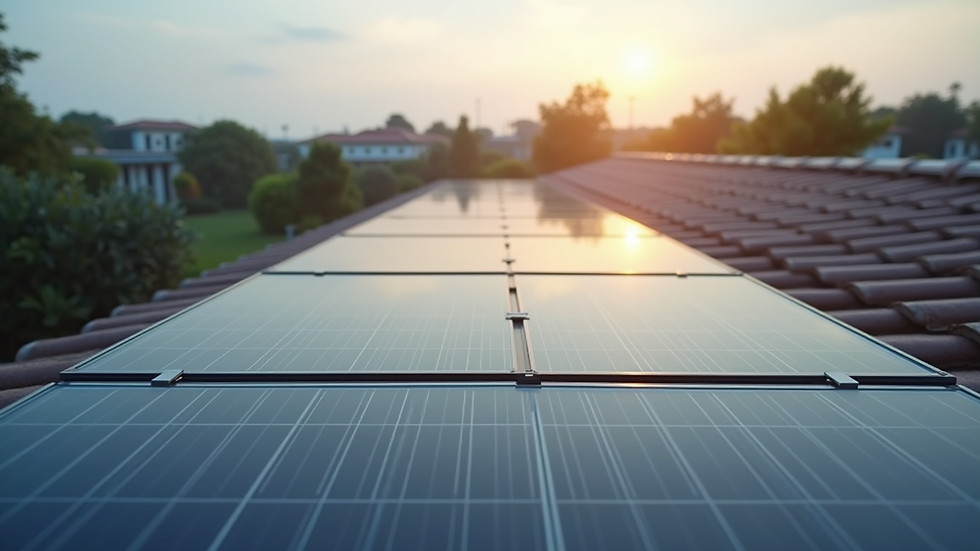
One practical example is the use of solar rooftop panels in urban and rural homes. These systems reduce electricity bills and provide reliable power, especially in areas with unstable grid connections. Additionally, hybrid systems combining solar and wind energy are being deployed to maximize efficiency.
Energy storage solutions, such as batteries, are also evolving to address the intermittent nature of renewables. This ensures a steady power supply even when the sun isn't shining or the wind isn't blowing.

Practical Recommendations for Adoption
Government Incentives: Take advantage of subsidies and tax benefits for installing renewable systems.
Community Projects: Participate in or initiate local renewable energy cooperatives.
Energy Audits: Conduct audits to identify energy-saving opportunities before investing.
Education and Awareness: Stay informed about new technologies and best practices.
What are the 7 types of renewable energy and their?
Understanding the different types of renewable energy helps in choosing the right solution for specific needs. Here are the seven main types:
Solar Energy
Captures sunlight using photovoltaic cells or solar thermal systems. Ideal for both small-scale and large-scale applications.
Wind Energy
Uses wind turbines to convert wind into electricity. Best suited for coastal and open plain areas.
Hydropower
Generates power from flowing water in rivers or dams. Provides consistent and reliable energy.
Biomass Energy
Derived from organic materials like plant waste and animal manure. Can be used for heating, electricity, and biofuels.
Geothermal Energy
Utilizes heat from the Earth's core to produce electricity and heating. Effective in volcanic regions.
Tidal Energy
Harnesses energy from ocean tides and waves. Still in developmental stages but promising for coastal areas.
Ocean Thermal Energy Conversion (OTEC)
Exploits temperature differences between surface and deep ocean water to generate power.
Each type has unique advantages and challenges, and often a combination of these sources is used to meet energy demands efficiently.

Challenges and Opportunities in Scaling Green Energy
Despite the promising growth, several challenges remain in scaling green energy solutions across India:
Infrastructure Development: Upgrading the grid to handle variable renewable inputs.
Financing: Securing investments for large-scale projects.
Technological Barriers: Improving efficiency and storage capabilities.
Policy and Regulation: Streamlining approvals and ensuring supportive policies.
However, these challenges also present opportunities. Innovations in smart grids, energy storage, and digital monitoring are making renewable energy more accessible and reliable. Public-private partnerships and international collaborations are accelerating progress.
Actionable Steps for Stakeholders
Policymakers: Create clear, long-term policies and incentives.
Businesses: Invest in renewable technologies and sustainable practices.
Consumers: Adopt energy-efficient appliances and support green energy providers.
Researchers: Focus on improving technology and reducing costs.
The Future of Energy in India: Embracing Sustainability
India's journey towards a sustainable energy future is well underway. The adoption of green energy solutions is not only essential for environmental preservation but also for economic resilience and social well-being.
By embracing renewable energy, India can reduce its carbon footprint, enhance energy security, and provide affordable power to millions. The collaboration of government, industry, and citizens will be key to unlocking the full potential of these technologies.
The path forward involves continuous innovation, education, and commitment to sustainability. As renewable energy systems become more integrated into daily life, India stands poised to become a global leader in clean energy.
This transformation is more than just a shift in energy sources - it is a revolution that promises a cleaner, greener, and brighter future for all.


Comments