

Innovative Sustainable Energy Solutions for India
- simotechindia
- Sep 27, 2025
- 4 min read

India is at a pivotal moment in its energy journey. With rapid urbanization, industrial growth, and a rising population, the demand for energy is soaring. However, the environmental impact of traditional energy sources has pushed the country to explore innovative eco-friendly energy solutions. These solutions not only address energy needs but also promote sustainability, reduce pollution, and create economic opportunities. This article explores some of the most promising and practical energy innovations shaping India's future.
The Rise of Eco-Friendly Energy Solutions in India
India has abundant natural resources that can be harnessed for clean energy. The government and private sectors are increasingly investing in renewable energy projects such as solar, wind, and bioenergy. These eco-friendly energy solutions are designed to reduce dependence on fossil fuels and lower carbon emissions.
Solar Power Expansion
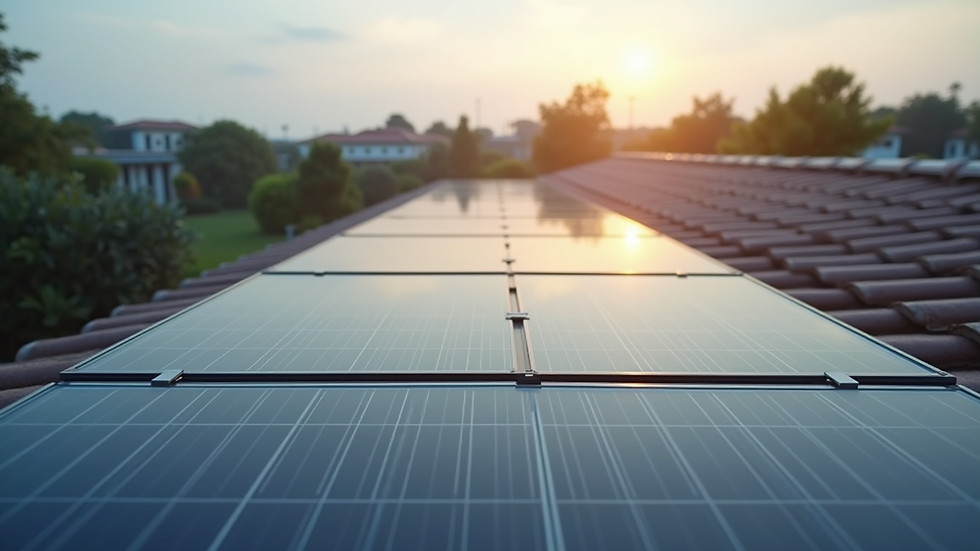
India receives ample sunlight throughout the year, making solar power a highly viable option. Large-scale solar farms and rooftop solar panels are becoming common across cities and rural areas alike. For example, the state of Rajasthan has developed massive solar parks that generate gigawatts of electricity. Additionally, solar microgrids are being deployed in remote villages to provide reliable power where the grid is unavailable.
Wind Energy Development
Wind energy is another key player in India's renewable energy landscape. Coastal states like Tamil Nadu and Gujarat have excellent wind resources. Modern wind turbines with higher efficiency are being installed to maximize energy output. Offshore wind farms are also being explored to tap into stronger and more consistent winds over the sea.

Biomass and Waste-to-Energy Technologies
Biomass energy uses organic materials such as agricultural residues, wood, and animal waste to produce electricity and heat. This approach helps manage waste while generating power. Waste-to-energy plants convert municipal solid waste into usable energy, reducing landfill use and pollution. These technologies are especially beneficial in rural and semi-urban areas where agricultural waste is abundant.
Key Eco-Friendly Energy Solutions Transforming India’s Power Sector
India’s energy transition is supported by a variety of innovative technologies and policies. Here are some of the most impactful eco-friendly energy solutions currently in use or development:
Smart Grids and Energy Storage
Smart grids use digital technology to monitor and manage electricity flow efficiently. They enable better integration of renewable energy sources and reduce energy losses. Coupled with advanced energy storage systems like lithium-ion batteries, smart grids ensure a stable and reliable power supply even when renewable sources fluctuate.
Electric Mobility
The shift to electric vehicles (EVs) is gaining momentum in India. EVs reduce air pollution and dependence on imported oil. Government incentives and expanding charging infrastructure are encouraging adoption. Electric buses and two-wheelers are becoming common in urban centers, contributing to cleaner transportation.
Energy Efficiency in Buildings and Industry
Improving energy efficiency is a cost-effective way to reduce consumption and emissions. Green building designs, LED lighting, and energy-efficient appliances are being promoted. Industries are adopting cleaner production techniques and waste heat recovery systems to minimize their environmental footprint.

What is a sustainable impact solution to energy?
A sustainable impact solution to energy is one that meets present energy needs without compromising the ability of future generations to meet theirs. It involves using renewable resources, minimizing environmental harm, and promoting social and economic benefits. In India, this means adopting technologies and practices that reduce carbon emissions, conserve natural resources, and improve quality of life.
Community-Based Renewable Projects
Community solar and wind projects empower local populations by giving them ownership and control over energy resources. These projects create jobs, reduce energy costs, and foster environmental stewardship. For example, cooperative solar farms in rural India allow farmers to generate income by selling excess power.
Decentralized Energy Systems
Decentralized or off-grid energy systems provide power to remote and underserved areas. These systems use solar panels, small wind turbines, or biomass generators to supply electricity locally. They reduce transmission losses and increase energy access, improving education, healthcare, and livelihoods.
Policy and Financial Support
Sustainable impact solutions require supportive policies and financing mechanisms. India has introduced renewable energy targets, subsidies, and tax incentives to encourage clean energy adoption. International partnerships and green bonds are also helping mobilize funds for sustainable projects.

Practical Steps to Embrace Sustainable Energy Solutions in India
For individuals, businesses, and policymakers looking to contribute to India’s energy transformation, here are actionable recommendations:
Invest in Solar Installations
Homeowners and businesses can install rooftop solar panels to reduce electricity bills and carbon footprint. Government schemes often provide subsidies and net metering benefits.
Adopt Energy-Efficient Appliances
Switching to LED lighting, energy star-rated appliances, and smart meters can significantly cut energy consumption.
Support Electric Mobility
Consider electric vehicles for daily commuting. Encourage local authorities to expand EV charging infrastructure.
Promote Waste-to-Energy Initiatives
Municipalities and industries should invest in waste management systems that convert organic and plastic waste into energy.
Engage in Community Renewable Projects
Participate in or initiate cooperative renewable energy projects to empower local communities.
Advocate for Policy Reforms
Support policies that incentivize renewable energy, phase out fossil fuel subsidies, and promote research and innovation.
By integrating these steps, India can accelerate its transition to a cleaner, more sustainable energy future.
The Future Outlook of India’s Energy Landscape
India’s commitment to sustainable development and climate goals is driving rapid innovation in the energy sector. Emerging technologies like green hydrogen, floating solar farms, and advanced biofuels hold great promise. Continued investment in research, infrastructure, and education will be crucial.
The synergy between government initiatives, private sector innovation, and community participation will define the success of these eco-friendly energy solutions. As India embraces these changes, it sets an example for other developing nations striving for sustainable growth.
For those interested in exploring more about sustainable energy solutions, there are numerous resources and companies dedicated to advancing clean energy technologies tailored to India’s unique needs.
India’s energy future is bright with the adoption of innovative eco-friendly energy solutions. These efforts not only address environmental challenges but also create economic opportunities and improve quality of life for millions. By embracing these technologies and practices, India can lead the way toward a sustainable and resilient energy system.


Comments