

India Renewable Energy: Driving India's Sustainable Growth

India stands at a pivotal moment in its energy journey. The shift towards renewable energy is not just a trend but a necessity for sustainable growth. As energy demands rise, so does the urgency to adopt cleaner, more efficient sources. This transition offers a pathway to reduce environmental impact, enhance energy security, and foster economic development. In this post, I explore how renewable energy is shaping India's future, with a focus on practical insights for businesses and homeowners in Maharashtra.
The Growing Importance of India Renewable Energy
India's energy landscape is rapidly evolving. Traditional fossil fuels have long dominated, but their environmental and economic drawbacks are becoming increasingly clear. Renewable energy sources such as solar, wind, hydro, and biomass present viable alternatives. They offer cleaner energy, reduce dependence on imports, and create local jobs.
In Maharashtra, the potential for renewable energy is significant. The state benefits from abundant sunlight and wind resources, making solar and wind power particularly attractive. For businesses and homeowners, investing in renewable energy systems can lead to substantial savings on energy bills while contributing to a cleaner environment.
Governments at both central and state levels support this shift through policies, subsidies, and incentives. These measures lower the initial costs and improve the return on investment for renewable energy projects. For example, net metering policies allow solar power users to sell excess electricity back to the grid, further enhancing financial benefits.
Key Renewable Energy Technologies in Maharashtra
Several renewable energy technologies are gaining traction in Maharashtra. Understanding these options helps in making informed decisions about energy investments.
Solar Power
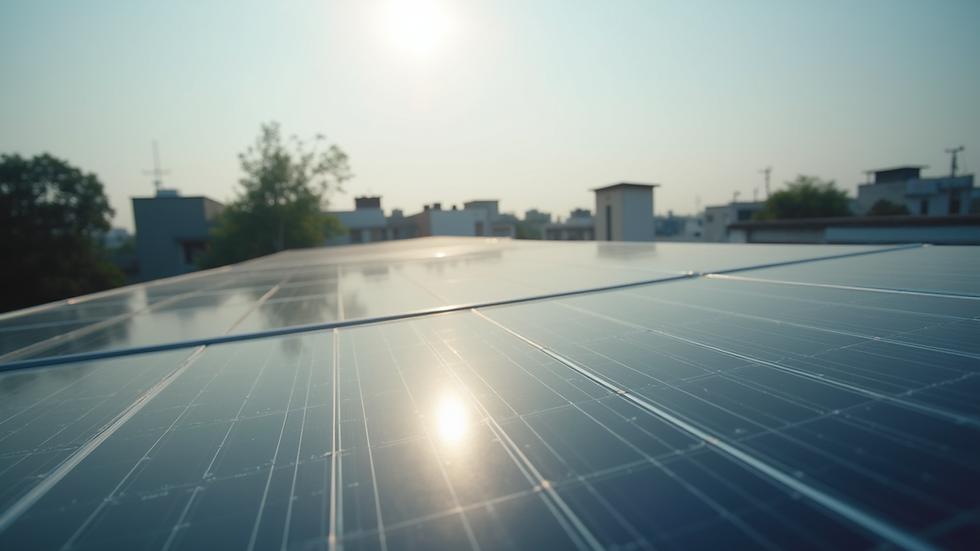
Solar energy is the most accessible and widely adopted renewable source in Maharashtra. Photovoltaic (PV) panels convert sunlight directly into electricity. Solar water heaters and solar pumps are also popular for residential and agricultural use. The declining cost of solar panels and government incentives make solar power a practical choice.
Wind Energy
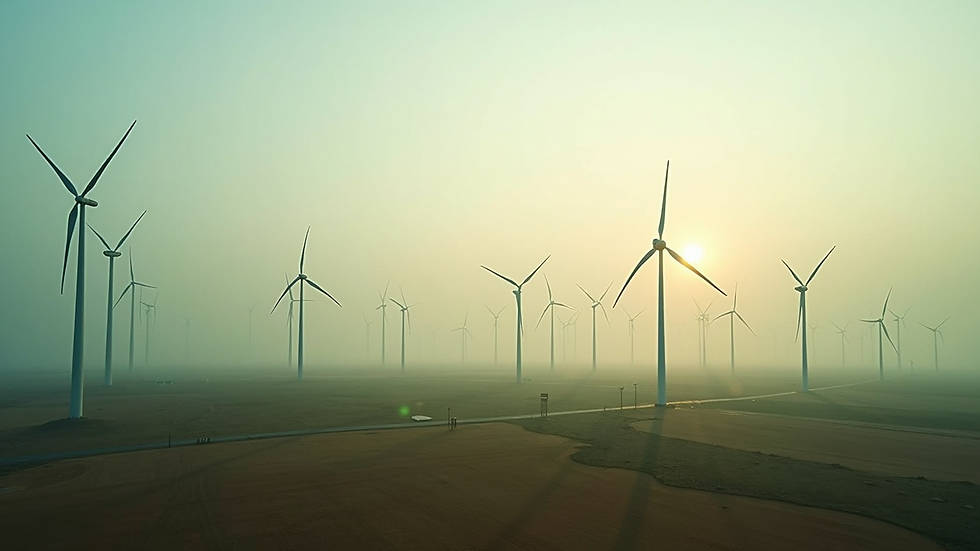
Maharashtra has several wind-rich areas, especially in the western region. Wind turbines harness kinetic energy from the wind to generate electricity. Wind farms can be large-scale or small community-based projects. Combining wind and solar power can provide a more stable energy supply.
Biomass Energy
Biomass energy uses organic materials such as agricultural waste, wood, and animal dung to produce heat or electricity. This technology is particularly relevant in rural areas where biomass is readily available. It also helps manage waste and reduce pollution.
Small Hydro Power
Small hydroelectric projects utilize flowing water in rivers or canals to generate electricity. These projects have minimal environmental impact and can serve remote communities.
For businesses and homeowners, selecting the right technology depends on location, energy needs, and budget. Consulting with experts can ensure optimal system design and installation.
Which country is no. 1 in renewable energy?
Globally, China leads the renewable energy sector by a significant margin. It has the largest installed capacity of solar and wind power and invests heavily in research and development. The United States and Germany also rank high due to their advanced technologies and supportive policies.
India ranks among the top countries in renewable energy capacity, especially in solar power. The government’s ambitious targets aim to increase renewable capacity to 500 GW by 2030. This commitment positions India as a major player in the global renewable energy market.
Understanding global trends helps contextualize India’s progress and highlights opportunities for collaboration and innovation.
Practical Benefits of Renewable Energy for Maharashtra’s Businesses and Homeowners
Adopting renewable energy systems offers multiple advantages beyond environmental impact. Here are some practical benefits:
Cost Savings: Renewable energy reduces electricity bills by generating power onsite. Solar panels, for example, can cut energy costs by up to 70% over time.
Energy Independence: Generating your own power reduces reliance on the grid and protects against price fluctuations.
Increased Property Value: Properties equipped with renewable energy systems often see higher market value.
Government Incentives: Subsidies, tax rebates, and low-interest loans make renewable energy more affordable.
Reduced Carbon Footprint: Using clean energy helps combat climate change and improves air quality.
Reliability and Resilience: Renewable systems, especially when combined with battery storage, provide backup power during outages.
For businesses, these benefits translate into improved operational efficiency and corporate social responsibility. Homeowners enjoy long-term savings and contribute to a healthier environment.
Steps to Implement Renewable Energy Solutions in Maharashtra
If you are considering renewable energy for your home or business, follow these steps to ensure success:
Assess Your Energy Needs
Calculate your current energy consumption and identify peak usage times. This data helps determine the size and type of system required.
Evaluate Site Conditions
Analyze solar exposure, wind availability, and space for installation. Local climate and geography influence system performance.
Explore Financing Options
Research government schemes, subsidies, and financing plans. Some banks offer green loans with favorable terms.
Choose a Reliable Provider
Select experienced companies specializing in renewable energy solutions. Verify certifications, customer reviews, and after-sales support.
Design and Installation
Work with professionals to design a system tailored to your needs. Proper installation ensures safety and efficiency.
Monitor and Maintain
Regular maintenance maximizes system lifespan and performance. Use monitoring tools to track energy production and consumption.
By following these steps, you can make a smooth transition to renewable energy and enjoy its full benefits.
Looking Ahead: The Future of Renewable Energy in Maharashtra
The future of renewable energy in Maharashtra looks promising. Technological advancements, falling costs, and supportive policies will continue to drive growth. Innovations such as smart grids, energy storage, and electric vehicles will integrate with renewable systems to create a more sustainable energy ecosystem.
Businesses and homeowners have a unique opportunity to lead this transformation. By adopting renewable energy, they not only save money but also contribute to a cleaner, healthier future for Maharashtra and India.
For those interested in exploring options, consulting with local experts like Simotech Renewable Pvt. Ltd. can provide tailored solutions. Their focus on reliable renewable energy systems helps clients reduce energy bills and carbon footprints effectively.
Explore more about renewable energy india and take the first step towards sustainable growth today.


Comments