

Expanding India's Potential with Renewable Energy Systems
- simotechindia
- Sep 12, 2025
- 4 min read

India stands at a pivotal moment in its energy journey. With a rapidly growing economy and increasing energy demands, the country faces the challenge of balancing development with sustainability. Clean energy technologies offer a promising path forward, enabling India to meet its energy needs while reducing environmental impact. This blog explores how these technologies can unlock India's vast potential and transform its energy landscape.
The Role of Clean Energy Technologies in India's Growth
Clean energy technologies encompass a range of innovations designed to generate power with minimal environmental harm. These include solar panels, wind turbines, hydroelectric systems, and bioenergy solutions. India has already made significant strides in adopting these technologies, driven by government policies, international partnerships, and private sector investments.
For example, the National Solar Mission aims to install 100 GW of solar power capacity by 2022, a target that has accelerated solar adoption across the country. Wind energy projects in states like Tamil Nadu and Gujarat contribute substantially to the renewable energy mix. These efforts not only reduce carbon emissions but also create jobs and stimulate local economies.
Key benefits of clean energy technologies in India:
Energy security: Reducing dependence on imported fossil fuels.
Environmental protection: Lowering greenhouse gas emissions and air pollution.
Economic growth: Generating employment and fostering innovation.
Rural development: Providing off-grid power solutions to remote areas.

Government Initiatives Driving Clean Energy Technologies
India's government has implemented several policies and programs to promote clean energy technologies. These initiatives provide financial incentives, regulatory support, and infrastructure development to accelerate renewable energy adoption.
Some notable programs include:
Renewable Energy Certificates (RECs): Encouraging industries to meet renewable purchase obligations.
Subsidies and tax benefits: Reducing the cost of solar and wind installations.
International collaborations: Partnering with countries and organizations to share technology and expertise.
Smart grid development: Enhancing grid reliability and integrating renewable sources efficiently.
These measures have helped India become one of the world's largest markets for renewable energy. However, challenges such as grid integration, land acquisition, and financing remain. Addressing these issues will be crucial for sustained growth.

What are the 4 types of renewable energy?
Understanding the main types of renewable energy is essential to appreciate their role in India's energy transition. The four primary types are:
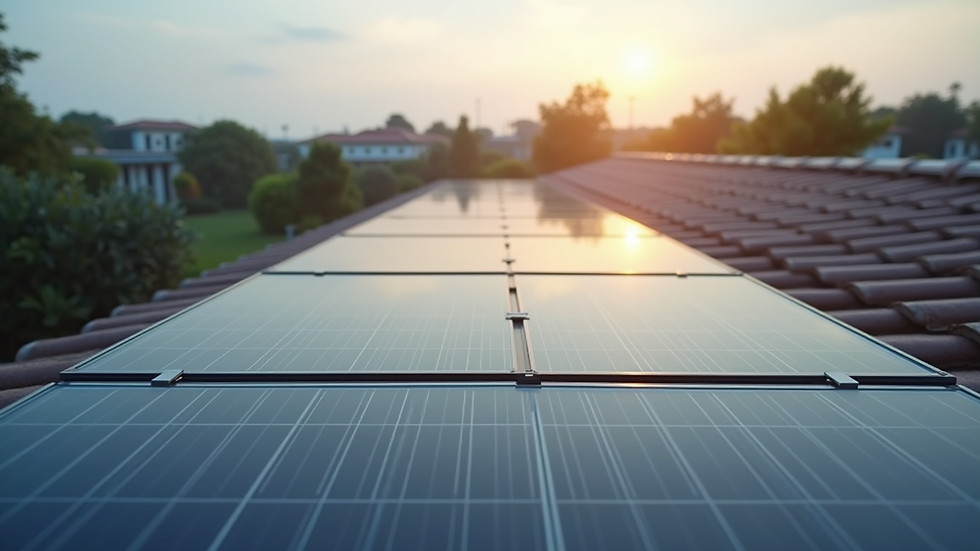
Solar Energy: Captured through photovoltaic cells or solar thermal systems, solar energy is abundant and widely used in India. It powers homes, industries, and even large-scale solar farms.
Wind Energy: Generated by wind turbines, this energy source is particularly effective in coastal and hilly regions. India ranks among the top countries globally for wind power capacity.
Hydropower: Utilizing flowing water to produce electricity, hydropower is a mature technology in India. Small and large hydro projects contribute significantly to the energy mix.
Biomass Energy: Derived from organic materials like agricultural waste, biomass energy supports rural livelihoods and provides a renewable alternative to traditional fuels.
Each type has unique advantages and challenges, but together they form a diversified and resilient energy portfolio for India.
Harnessing Renewable Energy Systems for a Sustainable Future
To fully realize the benefits of clean energy technologies, India must focus on integrating renewable energy systems effectively. These systems combine various renewable sources with energy storage, smart grids, and efficient distribution networks.
Actionable recommendations for expanding renewable energy systems in India:
Invest in energy storage: Batteries and other storage technologies can address the intermittent nature of solar and wind power.
Upgrade grid infrastructure: Smart grids enable better management of energy flow and reduce losses.
Promote decentralized energy: Microgrids and rooftop solar empower communities and reduce transmission challenges.
Encourage private sector participation: Public-private partnerships can mobilize capital and innovation.
Enhance research and development: Supporting innovation will improve technology efficiency and reduce costs.
By adopting these strategies, India can build a robust and flexible energy system that supports economic growth and environmental sustainability.

The Road Ahead: Opportunities and Challenges
India's journey toward clean energy technologies is filled with opportunities but also faces hurdles. The country’s vast renewable resources, supportive policies, and growing market demand create a favorable environment for expansion. However, challenges such as financing gaps, regulatory complexities, and technological barriers must be addressed.
Opportunities:
Exporting renewable energy technology and expertise.
Creating millions of green jobs.
Improving energy access in underserved regions.
Reducing health costs related to pollution.
Challenges:
Ensuring grid stability with high renewable penetration.
Securing land and environmental clearances.
Attracting long-term investments.
Building skilled workforce for new technologies.
Collaboration among government, industry, academia, and communities will be essential to overcome these challenges and harness the full potential of clean energy technologies.
Embracing Clean Energy Technologies for a Brighter India
India’s commitment to clean energy technologies signals a transformative shift in its energy landscape. By leveraging solar, wind, hydro, and biomass resources, and integrating advanced renewable energy systems, the country can achieve sustainable growth and energy security.
The path forward requires continued innovation, investment, and inclusive policies that empower all stakeholders. As India expands its clean energy footprint, it sets an inspiring example for the world, demonstrating how economic development and environmental stewardship can go hand in hand.
Together, these efforts will help India build a cleaner, greener, and more prosperous future for generations to come.


Comments