

Effective Sustainable Energy Solutions for India's Future
- simotechindia
- Aug 26, 2025
- 4 min read

India stands at a critical juncture in its energy journey. With rapid urbanization, industrial growth, and a rising population, the demand for energy is soaring. However, this growth must be balanced with environmental responsibility and long-term sustainability. Embracing eco-friendly energy options is not just a choice but a necessity for India’s future. This article delves into the most effective sustainable energy solutions that can power India’s development while protecting the planet.
The Importance of Eco-Friendly Energy Options in India
India’s energy landscape has traditionally relied heavily on fossil fuels such as coal, oil, and natural gas. These sources contribute significantly to air pollution, greenhouse gas emissions, and climate change. Transitioning to eco-friendly energy options offers multiple benefits:
Reduction in carbon footprint: Clean energy sources emit little to no greenhouse gases.
Energy security: Renewable resources are abundant and locally available.
Economic growth: New industries and jobs emerge in the renewable energy sector.
Health improvements: Reduced air pollution leads to better public health outcomes.
India has already made strides in adopting renewable energy, with ambitious targets for solar and wind power capacity. However, there is still much to be done to meet the growing energy demand sustainably.

Key Eco-Friendly Energy Options Transforming India
Several renewable energy technologies are shaping India’s sustainable energy future. Each has unique advantages and challenges, but together they form a robust energy mix.
Solar Power
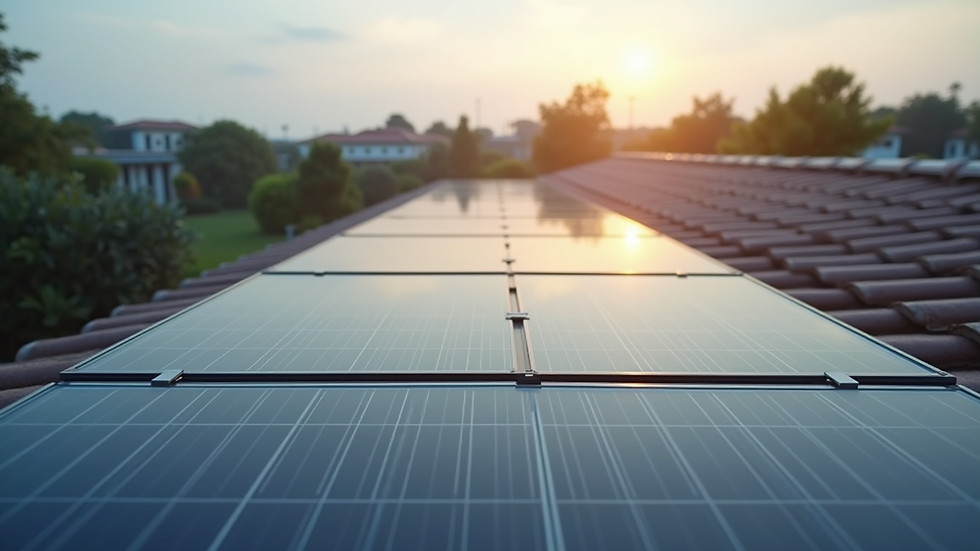
India receives abundant sunlight throughout the year, making solar power one of the most promising eco-friendly energy options. Large-scale solar farms and rooftop solar installations are expanding rapidly. The government’s initiatives like the National Solar Mission aim to increase solar capacity to 100 GW by 2022.
Practical recommendations for solar adoption:
Encourage rooftop solar panels in urban and rural areas.
Provide subsidies and incentives for solar installations.
Promote solar-powered irrigation pumps for farmers.
Wind Energy
Wind energy is another vital component of India’s renewable energy portfolio. Coastal regions and some inland areas have high wind potential. Wind farms contribute significantly to the grid, especially in states like Tamil Nadu, Gujarat, and Maharashtra.
Actionable steps to boost wind energy:
Invest in modern wind turbine technology for higher efficiency.
Develop offshore wind projects to tap into coastal wind resources.
Facilitate grid integration and storage solutions to manage variability.
Biomass and Biogas
Biomass energy utilizes organic waste materials such as agricultural residues, wood, and animal dung. Biogas plants convert organic waste into methane gas, which can be used for cooking and electricity generation. These options are particularly beneficial for rural communities.
Recommendations for biomass and biogas:
Promote community biogas plants in villages.
Support farmers in using crop residues for energy instead of burning.
Develop small-scale biomass power plants near agricultural hubs.
Hydropower
India has significant hydropower potential, especially in the Himalayan region. Small and micro-hydropower projects can provide reliable electricity to remote areas without harming the environment.
Suggestions for hydropower development:
Prioritize small-scale projects with minimal ecological impact.
Integrate hydropower with other renewables for grid stability.
Ensure community involvement in project planning and benefits.
Energy Efficiency and Storage
Improving energy efficiency across industries, buildings, and transportation reduces overall demand. Additionally, energy storage technologies like batteries and pumped hydro storage help manage the intermittent nature of renewables.
Efficiency and storage strategies:
Implement strict energy efficiency standards for appliances and vehicles.
Invest in smart grids and demand response systems.
Develop affordable and scalable energy storage solutions.

Who is the CEO of sustainable energy for all?
The global initiative "Sustainable Energy for All" (SEforALL) is led by a CEO who plays a crucial role in driving worldwide access to clean energy. As of the latest information, the CEO of SEforALL is Damilola Ogunbiyi. She is a prominent advocate for sustainable energy and has been instrumental in advancing energy access and renewable energy projects globally, including in India.
Her leadership emphasizes collaboration between governments, private sectors, and communities to accelerate the adoption of sustainable energy solutions. This aligns closely with India’s goals to expand clean energy access and reduce reliance on fossil fuels.
Challenges and Opportunities in Implementing Sustainable Energy Solutions
While the potential for eco-friendly energy options in India is vast, several challenges must be addressed:
Infrastructure gaps: Grid modernization and transmission capacity need upgrades.
Financing: High upfront costs and financing barriers limit project development.
Policy consistency: Stable and supportive policies are essential for investor confidence.
Public awareness: Educating communities about benefits and usage of renewables.
Despite these challenges, opportunities abound:
Technological innovation: Advances in solar panels, wind turbines, and storage improve efficiency and reduce costs.
Private sector involvement: Increasing investments from domestic and international companies.
Job creation: Renewable energy sectors generate employment in manufacturing, installation, and maintenance.
Climate commitments: India’s pledge under the Paris Agreement drives policy and funding support.

Moving Forward: Practical Steps for a Sustainable Energy Future
To realize the vision of a clean and sustainable energy future, India can take several practical steps:
Strengthen policy frameworks: Ensure long-term, transparent policies that encourage renewable investments.
Expand public-private partnerships: Leverage private sector expertise and capital.
Enhance research and development: Support innovation in renewable technologies and energy storage.
Promote decentralized energy systems: Encourage microgrids and off-grid solutions for remote areas.
Increase community engagement: Involve local populations in planning and benefit-sharing.
Focus on education and training: Build a skilled workforce for the renewable energy sector.
By integrating these strategies, India can harness the full potential of sustainable energy solutions to power its growth while safeguarding the environment.
India’s journey towards eco-friendly energy options is both a challenge and an opportunity. With concerted efforts from government, industry, and citizens, the country can lead the way in sustainable development. The future of energy in India is bright, clean, and green.


Comments