

Effective Sustainable Energy Solutions for India
- simotechindia
- Sep 3, 2025
- 4 min read

India is at a critical juncture in its energy journey. With a rapidly growing population and increasing industrial demands, the country faces the challenge of meeting energy needs while minimizing environmental impact. The adoption of green energy solutions is essential for sustainable development, economic growth, and environmental preservation. This article explores practical and effective strategies that can help India transition to a cleaner, greener energy future.
The Importance of Green Energy Solutions in India
India's energy consumption has been rising steadily due to urbanization, industrialization, and improved living standards. However, much of this energy still comes from fossil fuels, which contribute to pollution and climate change. Green energy solutions offer a pathway to reduce carbon emissions, improve air quality, and ensure energy security.
Some key benefits of green energy solutions include:
Reduction in greenhouse gas emissions
Decreased dependence on imported fuels
Creation of new jobs in renewable energy sectors
Improved public health through cleaner air
India has already made significant strides in renewable energy, ranking among the top countries in solar and wind power capacity. However, there is still vast potential to expand these efforts and integrate other sustainable technologies.

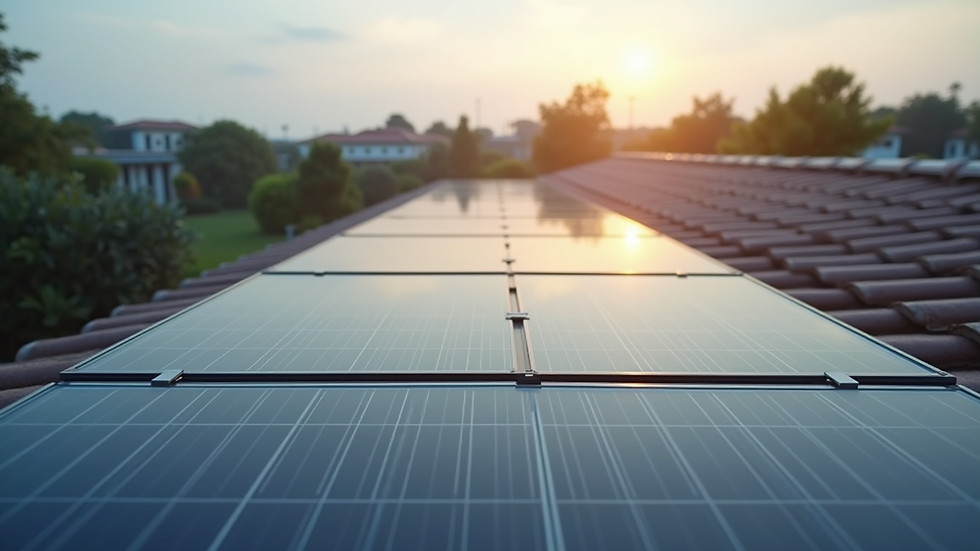
Solar energy is a cornerstone of India's green energy strategy.
Key Green Energy Solutions Driving India's Future
India's diverse geography and climate provide multiple opportunities for green energy development. Here are some of the most promising green energy solutions currently being implemented or explored:
Solar Power
India receives abundant sunlight throughout the year, making solar power one of the most viable renewable energy sources. Large-scale solar farms and rooftop solar installations are rapidly increasing. The government’s ambitious targets aim to reach 500 GW of renewable energy capacity by 2030, with solar playing a major role.
Actionable recommendations:
Encourage rooftop solar panels in urban and rural areas through subsidies and easy financing.
Promote solar microgrids in remote villages to provide reliable electricity.
Invest in solar storage technologies to manage supply fluctuations.
Wind Energy
Wind energy is another critical component of India’s renewable portfolio. Coastal regions and some inland areas have strong wind potential. Offshore wind farms are also being explored to harness the vast energy available over the sea.
Actionable recommendations:
Develop wind farms in high-potential zones with government support.
Facilitate private sector participation through policy incentives.
Upgrade grid infrastructure to handle variable wind power inputs.
Biomass and Bioenergy
India’s agricultural sector produces significant biomass waste, which can be converted into energy. Biomass power plants and biogas digesters provide clean energy while managing waste effectively.
Actionable recommendations:
Promote biomass-based power generation in rural areas.
Support farmers in adopting biogas plants for cooking and electricity.
Encourage research into advanced biofuels for transportation.
Hydropower
Small and medium hydropower projects can provide reliable, clean energy without the environmental issues associated with large dams. These projects are especially useful in hilly and mountainous regions.
Actionable recommendations:
Identify and develop small hydropower sites with minimal ecological disruption.
Integrate hydropower with other renewables for a balanced energy mix.
Ensure community involvement in project planning and benefits.
Energy Efficiency and Smart Grids
Improving energy efficiency across industries, buildings, and transportation reduces overall demand. Smart grids enable better management of energy supply and demand, integrating renewable sources seamlessly.
Actionable recommendations:
Implement energy-efficient building codes and appliance standards.
Promote electric vehicles and public transport powered by renewables.
Invest in smart grid technologies and demand response systems.

Wind energy farms contribute significantly to India's renewable energy capacity.
Who is the CEO of sustainable energy first?
While there is no single CEO for the entire sustainable energy sector in India, several key leaders and organizations are driving the green energy revolution. Companies like Tata Power, ReNew Power, and Adani Green Energy are led by visionary CEOs who prioritize sustainability and innovation.
For example, Sumant Sinha, CEO of ReNew Power, has been instrumental in expanding renewable energy capacity and advocating for clean energy policies. These leaders collaborate with government bodies, investors, and communities to accelerate the adoption of green technologies.
Their efforts highlight the importance of strong leadership in achieving India’s renewable energy goals and demonstrate how private sector involvement complements public initiatives.
Integrating Sustainable Energy Solutions for Maximum Impact
To maximize the benefits of green energy solutions, India must adopt a holistic approach that combines technology, policy, and community engagement. Here are some strategies to consider:
Policy Support and Incentives
Governments at central and state levels should continue to provide clear policies, subsidies, and tax benefits to encourage renewable energy investments.
Public Awareness and Education
Educating citizens about the benefits of renewable energy and energy conservation can drive grassroots support and behavioral change.
Research and Innovation
Investing in R&D for new technologies such as energy storage, smart grids, and advanced biofuels will enhance efficiency and reduce costs.
Infrastructure Development
Upgrading transmission and distribution networks is essential to handle the variable nature of renewable energy sources.
Collaboration and Partnerships
Public-private partnerships and international cooperation can bring in expertise, funding, and technology transfer.
By implementing these strategies, India can create a resilient and sustainable energy ecosystem that supports economic growth and environmental stewardship.

Smart meters help optimize energy consumption and integrate renewable sources.
Moving Towards a Sustainable Energy Future
India’s journey towards green energy solutions is both a challenge and an opportunity. By embracing renewable technologies, improving energy efficiency, and fostering innovation, the country can reduce its carbon footprint and ensure energy access for all.
For businesses, communities, and policymakers, the focus should be on practical, scalable solutions that deliver measurable benefits. Whether it is installing solar panels, developing wind farms, or adopting energy-efficient appliances, every step counts.
To explore more about effective sustainable energy solutions and how they can be implemented in India, visit the linked resource for detailed insights and support.
The future of energy in India is green, and with concerted effort, it can be bright and sustainable for generations to come.


Comments