

Discover the Benefits of Renewable Energy Systems in India
- simotechindia
- Jul 23, 2025
- 4 min read

India, a rapidly growing economy, faces significant challenges in meeting energy demands while ensuring sustainability. The nation has begun to shift its focus toward green energy systems, recognizing renewable energy as a crucial part of its energy strategy. This post explores the benefits of renewable energy in India, providing insights into the different types available, their advantages, and the future of energy in the country.
Understanding Green Energy Systems
Green energy systems are technologies and methods that harness natural resources for energy. This includes solar, wind, hydroelectric, and biomass energies. In India, these energy sources are becoming increasingly relevant due to the country's growing energy needs and environmental concerns.
India’s commitment to reducing its carbon footprint is reflected in its ambitious renewable energy targets. As of 2023, the government aims to achieve 500 GW of non-fossil fuel capacity by 2030. This shift not only addresses climate change but also supports economic growth.

Why Invest in Renewable Energy?
Renewable energy offers a multitude of benefits for India, both environmentally and economically. Let's consider some key advantages:
Environmental Benefits
Reduction in Greenhouse Gases: By transitioning from fossil fuels to renewable energy sources, India can significantly reduce carbon emissions. This plays a pivotal role in combating climate change and promoting environmental health.
Sustainable Resources: Unlike fossil fuels, renewable energy sources are abundant and can be replenished naturally. For a country like India, which often faces energy scarcity, investing in sustainable solutions is critical.
Biodiversity Conservation: The shift to renewable energy systems can help reduce the exploitation of natural resources, thus preserving ecosystems and fostering biodiversity.
Economic Advantages
Job Creation: The renewable energy sector is labor-intensive, meaning it has the potential to create millions of jobs. For instance, the solar sector alone could provide significant employment opportunities in installation, maintenance, and manufacturing.
Energy Independence: By harnessing local energy sources, India can reduce its dependence on imported fossil fuels. This enhances national security and stabilizes energy prices.
Investment Opportunities: The global shift towards green energy opens up rewarding investment avenues. Companies focusing on solar, wind, and other renewable energies are attracting considerable investments, further boosting the economy.

What are the 4 Types of Renewable Energy?
India's renewable energy landscape includes several key types. Here's a quick overview of the primary renewable energy sources utilized in the country:
1. Solar Energy
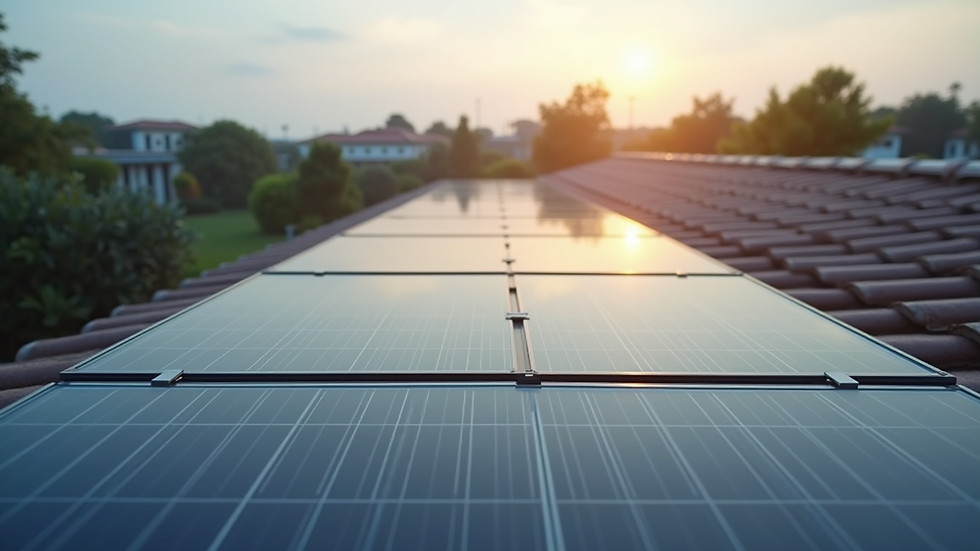
Solar energy harnesses sunlight through solar panels. With an abundance of sunlight year-round, India has immense potential to tap into solar power. Initiatives like the National Solar Mission aim to increase solar capacity significantly.
2. Wind Energy
Wind energy involves capturing wind flow using turbines to generate electricity. Coastal regions, particularly in states like Tamil Nadu and Gujarat, have high wind potential, driving the growth of wind farms in these areas.
3. Hydroelectric Power
Hydroelectric power is generated by water flow, typically via dams. India has numerous rivers, which can be harnessed for hydroelectric energy. While this method is mature, it requires careful environmental management to avoid ecological disruption.
4. Biomass Energy
Biomass energy is produced by burning organic materials like agricultural waste and animal waste. India, being an agricultural country, can leverage biomass as a sustainable fuel source. This not only generates energy but also helps in waste management.

Challenges in Implementing Renewable Energy
While the benefits of renewable energy in India are clear, several challenges need addressing:
Infrastructure Development: A robust infrastructure is essential for renewable energy integration into the existing grid. Upgrading transmission and distribution networks is crucial.
Investment and Financing: Although investment is increasing, more financial support is necessary to develop projects efficiently. Facilitating favorable policies and financial models can attract more investments.
Technology Advancements: Continued technological innovation is critical in improving the efficiency and cost-effectiveness of renewable energy systems. Research and development must be encouraged to foster advancements in this field.
Public Awareness: Educating the public on the benefits and potential of renewable energy sources can drive demand and support. Community engagement and awareness programs are vital.
Future Prospects of Renewable Energy in India
The future of renewable energy in India looks promising, marked by a supportive policy framework and growing public interest. The government aims to increase its renewable capacity significantly and is focusing on a mix of energy sources to meet its targets.
Government Initiatives: Various schemes and incentives are in place to promote solar rooftop installations and wind energy projects. The government is also working on policies to streamline the approval process for renewable projects.
Global Partnerships: International collaborations are becoming common, with countries sharing technology and expertise. Such partnerships enhance capacity building and enable access to advanced technologies.
Local Innovations: Indian startups are pioneering innovative solutions in renewable technology, contributing to decentralized energy systems. These grassroots initiatives play a crucial role in meeting local energy needs.
Resilience to Climate Change: Leveraging renewable energy systems will enhance India's resilience to climate change impacts. By investing in sustainable practices, the country can safeguard its energy future.
In summary, the adoption of renewable energy systems not only prepares India for a sustainable future but also strengthens its economy and contributes positively to environmental health. Embracing green technologies will position India as a leader in the global energy transition, paving the way for a cleaner, greener future.



Comments